
The 2026 market for high-capacity vaping products is becoming more competitive, but global buyers need more than a large puff number. A 24K Puffs Disposable Vape may attract attention through its extended-use positioning, compact body, and bright display. Yet the “24K” figure is usually an estimated laboratory value, not a guaranteed user experience. Puff duration, airflow, liquid formulation, and battery performance can change the result.
Market data shows why careful evaluation matters. Grand View Research estimates that the global e-cigarette and vape market reached approximately USD 28 billion in 2023, with continued growth expected through 2030. However, its categories include different devices, regions, and product types. Comparisons are not always clean. The World Health Organization’s tobacco trends reporting also highlights major differences in national regulation, consumer behavior, and nicotine-control policies. A global product cannot rely on one market’s assumptions.
This guide examines the 2026 Best 24K Puffs Disposable Vape options through practical and compliance-focused criteria. These include verified capacity, battery consistency, leak resistance, ingredient transparency, child-resistant packaging, and manufacturer traceability. Buyers should request laboratory documentation and confirm local requirements before placing an order. Some listings still provide vague specifications. That deserves scrutiny.
A dependable supplier should state whether its testing covers e-liquid composition, electrical safety, emissions, and labeling accuracy. Independent verification is stronger than attractive packaging. Price also needs context, because an inexpensive device may create higher replacement costs or quality concerns. The best choice is not automatically the biggest model. It is the product with credible evidence, responsible distribution, and clear adult-use compliance in its intended market.
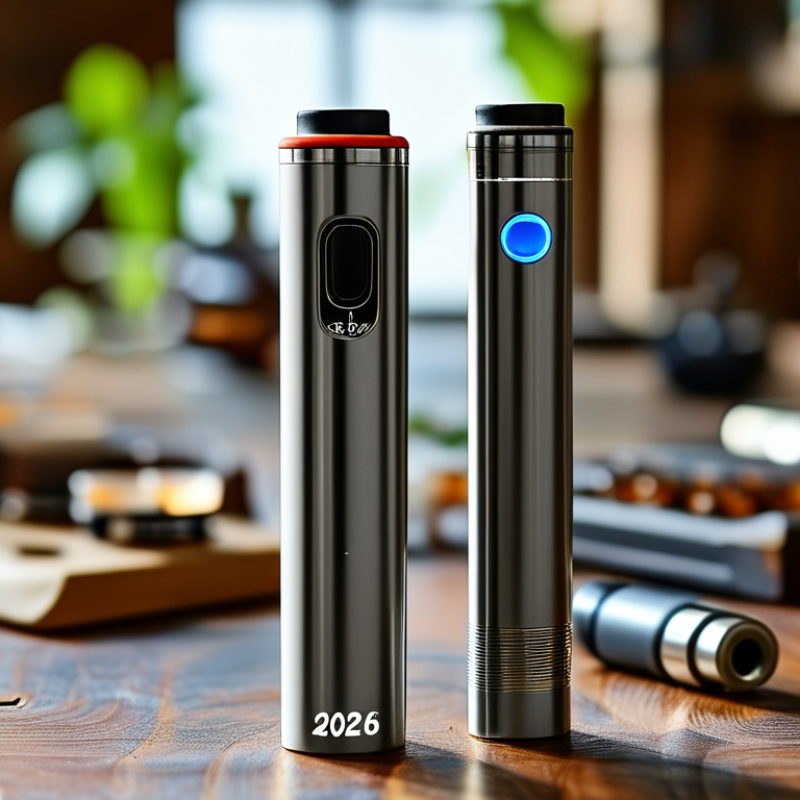
“24K puffs” sounds precise, but it is usually a laboratory estimate, not a personal guarantee. Manufacturers may count puffs with a machine using a fixed draw length, airflow, and interval. Real users rarely follow those settings. A longer inhale can consume more liquid and shorten the device’s usable life. Shorter draws may produce a higher count.
The number also depends on battery output, coil condition, e-liquid volume, and cut-off protection. Near the end, vapor may become weaker or taste different before the counter reaches zero. That detail matters. A device can technically fire while offering an unsatisfying experience. In product checks, I would record draw duration, pause time, and daily usage rather than trust one headline figure.
Buyers should ask how the claim was measured and whether testing records are available. Independent laboratory data is more useful when it lists the device version, test settings, and sample size. “24K” should be treated as a comparison label, not an exact promise. Check packaging carefully. Purchase only products allowed in your location, and follow local age and disposal rules. Marketing language can still be unclear, even when the hardware performs consistently.
When comparing 24K puff disposable vape models in 2026, buyers should look beyond the headline number. Puff estimates depend on draw length, airflow, and battery performance. A longer draw may reduce the real usage time considerably. That claim needs context.
Battery capacity matters. Check whether the device supports stable output from the first draw to the last. A clear battery indicator is more useful than a bright display. USB-C charging can improve convenience, but charging protection and heat control deserve closer attention. The device should feel balanced in the hand, with a secure mouthpiece and no loose panels. Small details often reveal manufacturing quality.
Flavor consistency is another practical test. Compare coil design, airflow adjustment, and the clarity of ingredient information. A sealed design may reduce leakage, though no device is completely risk-free. Look for batch numbers, manufacturing dates, safety instructions, and accessible compliance documents. Independent testing is more convincing than vague quality claims. For global buyers, check local age rules, product limits, labeling requirements, and recycling options before ordering. Regulations differ widely. A product accepted in one market may not be permitted in another. I would also question exaggerated 24K claims, because real performance changes with storage, temperature, and personal usage. More capacity is not always better. Controls, documentation, and dependable construction may matter more.
| Comparison Dimension | Typical Specification for a 24K-Puff Class Model | Why It Matters to Global Buyers | What to Verify Before Purchase |
|---|---|---|---|
| Advertised puff count | Up to 24,000 puffs | Puff counts are estimates and depend on puff duration, airflow, power output, and e-liquid usage. | Test method, puff duration, e-liquid volume, and whether the claim is maximum or typical usage. |
| E-liquid capacity | Commonly about 18–26 mL in high-capacity products | Capacity affects expected service life, shipping weight, leakage risk, and regulatory eligibility. | Declared fill volume, measurement tolerance, formulation details, and local maximum-volume rules. |
| Nicotine strength | Often offered from 0 mg/mL to 50 mg/mL, depending on the market | Nicotine limits, labeling rules, and permitted nicotine types differ substantially by country. | Laboratory test results, unit labeling, nicotine form, warning statements, and destination-country limits. |
| Battery type and capacity | Rechargeable lithium-ion battery, commonly about 650–1,000 mAh | A rechargeable battery helps support high e-liquid capacity but introduces transport and safety requirements. | Rated capacity, battery protection circuit, cell documentation, and applicable transport declarations. |
| Charging interface | USB Type-C is commonly used; charging input is often 5 V | A standardized connector improves convenience and can reduce cable compatibility issues. | Charging current, overcharge protection, charging instructions, and connector durability. |
| Activation system | Draw-activated; some models add a manual power or boost control | Automatic activation is simple, while adjustable controls can change vapor output and battery consumption. | Activation reliability, accidental-fire prevention, button quality, and child-resistant design. |
| Airflow control | Fixed airflow or adjustable airflow slider | Airflow changes draw resistance, vapor temperature, flavor perception, and puff duration. | Adjustment range, airflow consistency, whistle resistance, and leakage performance. |
| Coil technology | Mesh coil is widely used in high-capacity disposable designs | Mesh structures can provide even heating, but performance still depends on power control and liquid delivery. | Coil material, resistance, dry-hit protection, and independent performance testing. |
| Display and indicators | LED indicators or a small screen showing battery and e-liquid estimates | Clear indicators help users avoid unexpected shutdowns and reduce wasted e-liquid. | Accuracy of battery and liquid readings, readability, and display power consumption. |
| Leak and condensation control | Sealed pod or tank structure with a mouthpiece and airflow channel | Good sealing improves shelf life, user experience, and shipping reliability. | Temperature-cycle testing, storage orientation, seal materials, and documented leak-rate results. |
| Product dimensions and weight | Typically larger and heavier than low-capacity disposables because of added liquid and battery capacity | Size affects portability, packaging cost, warehouse handling, and parcel shipping restrictions. | Net weight, gross weight, carton dimensions, pallet configuration, and carrier restrictions. |
| Safety protections | Overcharge, over-discharge, short-circuit, over-current, and overheating protection may be included | Protection systems reduce foreseeable electrical and thermal risks but do not eliminate misuse hazards. | Electrical safety reports, battery testing, protection thresholds, and incident-response procedures. |
| Compliance documentation | Requirements vary by destination, including labeling, packaging, ingredient disclosure, and market authorization | A product legal in one market may be restricted or prohibited in another. | Destination-country regulations, certificates, test reports, customs classification, and importer obligations. |
| Sustainability and disposal | Contains electronic components, lithium-ion battery, plastics, and residual e-liquid | High-capacity disposables require responsible battery and electronic-waste handling. | Take-back options, recycling instructions, material composition, and extended-producer-responsibility duties. |
Buyer note: “24,000 puffs” is an advertised maximum rather than a universal testing standard. Actual usage varies with puff duration, draw strength, airflow, power setting, and e-liquid formulation. Always confirm current destination-market laws and safety documentation before importing or selling.
A 24,000-puff disposable vape should be assessed by specifications, not its headline number. Puff counts are laboratory estimates. Longer draws, higher power, and frequent use reduce the actual output. The number looks impressive. It may also mislead.
Battery performance depends on cell quality, charging control, and thermal protection. Buyers should request documented compliance with IEC 62133-2 and UN 38.3 transport testing. A stable device should deliver consistent vapor without unusual heat, burnt taste, or sudden voltage drops. Battery capacity alone is not enough. It must match the coil and e-liquid volume. Clear batch identification and safety documentation strengthen supplier credibility.
E-liquid capacity needs careful checking. Packaging should state milliliters, nicotine concentration, ingredients, and an accurate production date. In the European Union, nicotine liquid is generally limited to 20 mg/ml, while refill containers and reservoirs face strict volume limits under the Tobacco Products Directive. A 24,000-puff disposable may therefore be unsuitable for some markets. Flavor selection also requires restraint. The CDC’s 2024 National Youth Tobacco Survey reported 1.63 million U.S. middle and high school students currently used e-cigarettes; 87.6% used flavored products. This data makes flavor compliance and responsible marketing essential. Mint, fruit, and cooling profiles can perform differently across airflow settings. Real-world testing should measure draw consistency, leakage, flavor fading, and battery endurance. Claims still need independent verification.
A “24K puffs” claim is only an estimate, not a guaranteed usage figure. Buyers should request independent testing, product specifications, and clear nicotine disclosures. Regulations differ sharply between countries. Some markets restrict nicotine strength, flavors, packaging, or disposable formats. Others prohibit these products entirely. Check the destination country’s health authority and customs website before placing an order. Rules can change without much warning.
Import compliance requires more than a commercial invoice. Confirm the correct tariff classification, import permits, taxes, labeling language, and age-control requirements. Ask whether the shipment needs battery transport documents or safety certification. A licensed customs broker can identify requirements that online listings often omit. Never assume personal-use quantities avoid import rules. They may not.
Buyer safety starts with traceable products. Look for batch numbers, manufacturer details, ingredient information, warnings, and tamper-resistant packaging where required. Battery protection, leak resistance, and storage instructions also matter. Avoid damaged packaging, unusual odors, or devices that heat during use. A supplier PDF is not proof of compliance. I would request current certificates and verify them with the issuing laboratory. That step can feel slow. It is still worthwhile. Some product claims remain difficult to verify, and buyers should acknowledge that uncertainty before payment.
Global buyers should evaluate suppliers before comparing flashy 24K puff claims. Request company registration, product specifications, safety documents, and recent batch records. A reliable supplier should explain testing methods clearly. Puff counts are estimates, not guarantees. Usage habits, airflow, and battery performance can change the result.
Authenticity needs practical checks. Compare packaging details, batch numbers, QR verification, and production dates. Contact the listed manufacturer through an independent channel. Do not rely only on supplier-provided photos. I have seen polished documents hide unclear testing sources. That is a warning sign. Pricing also requires more than unit cost. Include shipping, taxes, payment fees, compliance checks, and possible returns. An unusually low quote may reflect weaker materials or missing documentation. Verify that the product is legal for sale, import, and use in the destination market.
Tips: Ask for a sample order before making a large purchase. Test leakage, charging stability, flavor consistency, and package condition. Keep written records of every issue. After-sales support matters most when something fails. Confirm response times, replacement rules, warranty limits, and the person responsible for claims. A dependable supplier provides tracking, photos, and a clear resolution process. Still, no supplier is perfect. Leave room for mistakes, but require honest correction.
