Global buyers are entering a more practical aquaponics system market. Commercial farms now seek reliable food production, lower water use, and predictable maintenance. The FAO’s The State of World Fisheries and Aquaculture 2024 reported 185.4 million tonnes of global aquatic animal production in 2022. Aquaculture provided 94.4 million tonnes, exceeding capture fisheries for the first time. That shift strengthens demand for integrated production technologies.
Market forecasts also show strong momentum. Grand View Research’s 2024 aquaponics analysis identifies expanding commercial applications, especially in urban farming and controlled environments. However, estimates vary because researchers define “aquaponics system” differently. Some include small home units. Others measure only commercial installations. The numbers deserve caution.
Dr. James Rakocy, a leading aquaponics researcher and former University of the Virgin Islands program director, described aquaponics as “the combination of aquaculture and hydroponics.” His work remains influential because it connected fish nutrition, microbial filtration, and plant production into one operating cycle. That cycle looks simple on paper. It is not always simple on a farm.
This 2026 supplier guide evaluates manufacturers through practical evidence. It considers system design, biofilter performance, pump efficiency, automation, training, spare parts, certifications, and after-sales support. Buyers should inspect water-quality records, not only glossy photographs. A supplier may offer excellent tanks but weak technical support. Another may provide sophisticated controls but poor local service.
No ranking is perfectly neutral. Shipping distance, climate, labor costs, and regional compliance can change the best choice. Global buyers should request references, operating data, warranty terms, and a complete installation budget before signing contracts.
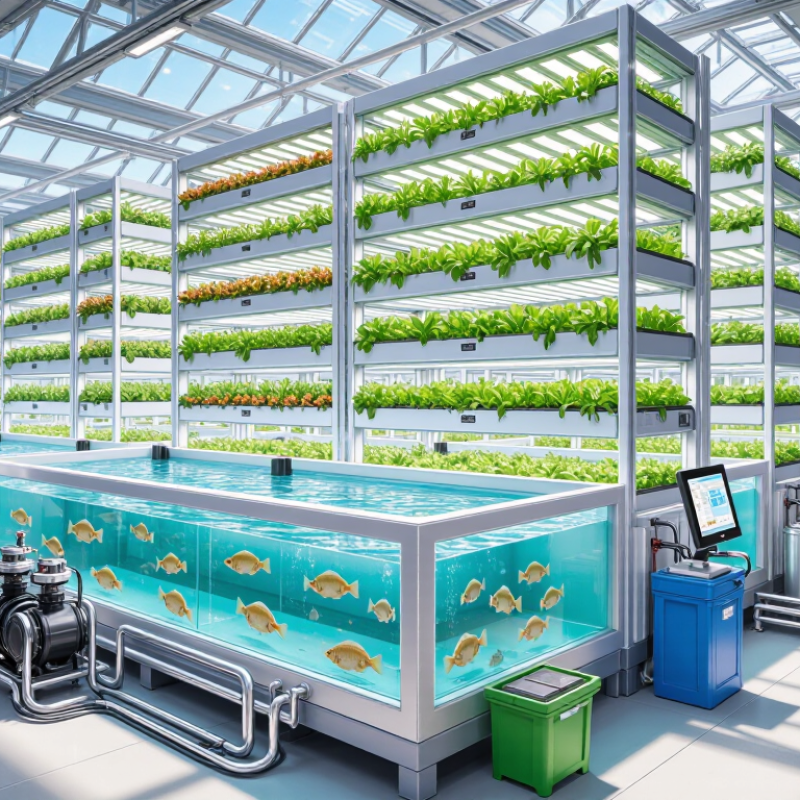
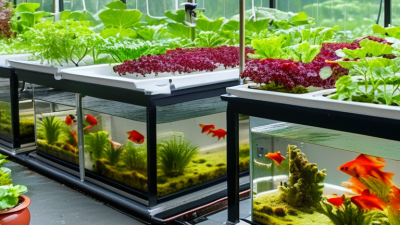
An aquaponics system combines aquaculture and hydroponics in one recirculating water environment. Fish produce waste, while beneficial bacteria convert ammonia into nitrite and nitrate. Plants absorb much of the nitrate as nutrients. Water moves continuously. The main components include a fish tank, mechanical filter, biofilter, water pump, grow beds, aeration equipment, and return pipes. Each part supports a specific biological or hydraulic function.
In practical installations, water flows from the fish tank toward solids removal equipment. The biofilter then provides surfaces for nitrifying bacteria to colonize. Plant roots receive nutrient-rich water through media beds, nutrient film channels, or floating rafts. Cleaned water returns to the fish tank. Oxygen matters. Fish, roots, and bacteria all depend on adequate dissolved oxygen, especially during warm weather or power interruptions.
Good operation requires regular testing of pH, ammonia, nitrite, nitrate, temperature, and dissolved oxygen. A pH near the compromise range can support both fish and plants, but it is never perfect for every species. The system is not completely self-sustaining. Uneaten feed, blocked filters, and weak airflow can quickly disturb water quality. In my assessment, beginners often focus on plant growth and overlook bacterial maturity. A new biofilter may need several weeks before biological filtration becomes stable. Small daily checks usually prevent larger problems. Even then, growth can remain uneven.
Choosing an aquaponics supplier requires more than comparing tank prices. Experienced buyers inspect how each system performs under real operating conditions. Ask for documented results on water temperature, pH stability, dissolved oxygen, and fish survival rates. Photos are useful, but operating records are stronger evidence.
Evaluate the supplier’s technical knowledge carefully. Can their team size pumps for your climate and crop plan? Do they explain biofilter capacity, filtration maintenance, and backup power needs clearly? Reliable suppliers provide installation drawings, testing procedures, spare-parts lists, and training materials. They should also explain delivery timelines, warranty limits, and local service arrangements. A polished proposal can still hide weak after-sales support. I have seen buyers focus on equipment quality and underestimate maintenance access. That mistake becomes expensive.
Tips: Request a live system demonstration. Check recent customer references. Ask for water-quality logs, not only marketing claims. Confirm that replacement pumps, sensors, and media are available in your region. Compare the supplier’s answers with an independent aquaculture technician when possible. Small details matter. Also, review the contract slowly. Some suppliers describe “support” without defining response times or technician coverage. That wording needs clarification. A supplier may offer advanced automation, yet your staff might find it difficult to operate. The best choice is not always the most sophisticated system. It is the system your team can monitor, clean, repair, and improve consistently.
Top Aquaponics System Suppliers in 2026
Global buyers are evaluating aquaponics suppliers more carefully in 2026. The strongest suppliers provide complete systems, not isolated tanks and pumps. Their packages should include filtration, grow beds, aeration, sensors, installation guidance, and replacement parts. FAO’s The State of World Fisheries and Aquaculture 2024 reported 130.9 million tonnes of global aquaculture production in 2022. This scale increases interest in efficient water reuse, especially where freshwater supplies remain limited.
Reliable suppliers should show tested flow rates, energy consumption, stocking guidance, and crop performance records. Ask for data from climates similar to your site. A system designed for a cool greenhouse may struggle in a hot coastal region. It happens. Local technical support matters because pump failures can damage fish health within hours. Suppliers should also explain food safety controls, water testing routines, and emergency procedures. These details demonstrate practical experience beyond attractive product photos.
Market research published in 2024 estimated strong double-digit growth for the global aquaponics sector through 2030. However, forecasts are not guarantees. Buyers should compare warranty terms, sensor accuracy, shipping protection, and training costs before signing contracts. Modular designs can reduce installation risks and allow gradual expansion. Still, smaller systems may deliver better control than oversized commercial units. The best supplier is not always the cheapest. It is the one that documents performance honestly and admits operational limits.
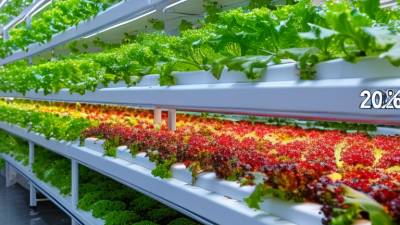
Aquaponics suppliers differ sharply in technology, not just catalog size. Media-bed systems suit small farms and training sites, while deep-water culture supports steadier leafy-greens production. Nutrient-film channels use less water volume but demand tighter flow control. For fish-heavy projects, suppliers integrating recirculating aquaculture systems offer stronger filtration, oxygenation, and monitoring. The FAO State of World Fisheries and Aquaculture 2024 reported 130.9 million tonnes of aquaculture production in 2022. That figure signals opportunity, but it does not prove every aquaponics design will scale profitably.
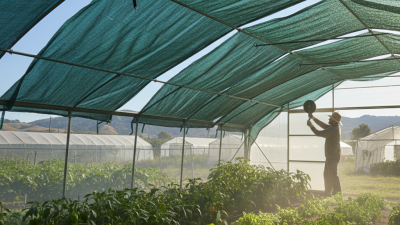
Scale changes the buying decision. A rooftop pilot may need modular tanks, simple dosing, and local replacement parts. A commercial greenhouse requires redundant pumps, automated alarms, climate controls, and documented maintenance intervals. Suppliers should provide hydraulic calculations, stocking guidance, energy estimates, and commissioning support.
I would request a live installation reference, not polished photographs. This remains a weak point across the sector.
Market reach also needs careful testing. Global suppliers may offer multilingual manuals, export packaging, and regional technicians, while smaller specialists can provide faster design changes. The World Bank notes that agriculture accounts for roughly 70% of global freshwater withdrawals, making water efficiency a serious procurement metric. Yet marketing claims often omit climate, electricity, and labor assumptions. Compare delivered cost, local compliance documents, service response time, and five-year spare-parts availability. Cheap equipment can become expensive when one unavailable sensor stops production.
2026 Top Aquaponics System Suppliers for Global Buyers
Steps for Selecting and Purchasing an Aquaponics System
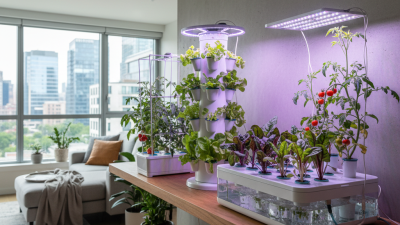
Selecting an aquaponics system begins with your production goal. Decide whether you need herbs, leafy greens, fish, or a mixed harvest. Measure the available space, including service paths and water access. A balcony system needs different engineering than a commercial greenhouse. Record daily temperature changes before requesting quotations. Small details matter.
Ask suppliers for clear specifications, not attractive photographs. Check tank volume, grow-bed area, pump flow, filtration stages, and power requirements. Request installation drawings and a complete list of consumable parts. Confirm whether replacement pumps, sensors, and test kits are available locally. This affects operating costs and downtime. Ask about training, warranty coverage, and technical response times. Reliable suppliers explain limitations openly.
Review water quality requirements and local electrical standards with a qualified technician. Ask for references from facilities using similar climates and system sizes. Compare the delivered price, shipping protection, customs paperwork, installation, and commissioning support. My first cost estimate was too optimistic. Freight and backup equipment changed the budget. I would now keep a contingency allowance and test a small system before scaling. Do not rush the purchase. A well-documented system is easier to operate, repair, and verify.