2026 Top Automated Hydroponic System Innovations for Smart Gardening?
The rise of the automated hydroponic system marks a transformative era in agriculture. According to a recent report by MarketsandMarkets, the global hydroponics market is projected to reach $16 billion by 2025. This growth reflects the increasing interest in smart gardening solutions. More people seek sustainable ways to grow food, even in urban environments.
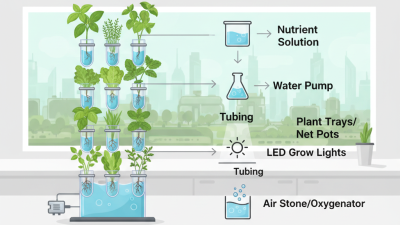
Automated hydroponic systems simplify gardening. They allow enthusiasts to grow fresh produce with minimal effort. Sensors monitor water levels, nutrients, and light conditions, adjusting automatically. This precision enhances yields and reduces waste. However, not all systems are created equal. Some may struggle with reliability or user interface issues, prompting users to rethink their choices.
The innovations set for 2026 promise improvements. Companies are working on AI-driven systems that provide real-time analysis. This could change how we garden, making it more intuitive. Yet, the technology must be accessible and user-friendly. Striking the right balance remains a challenge for developers. As we explore these innovations, it's essential to stay critical and reflective on their true impact in everyday gardening.
2026 Innovations in Automated Hydroponic Systems: Industry Trends
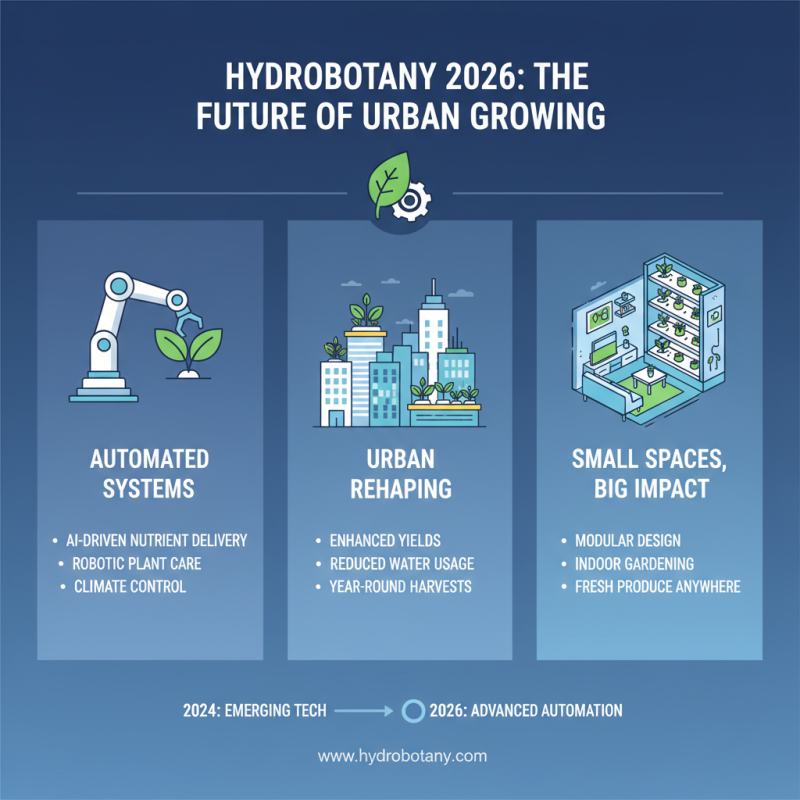
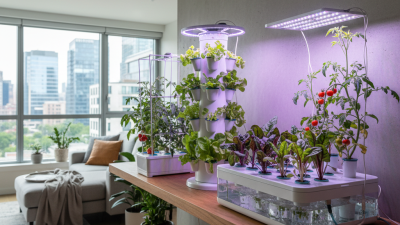
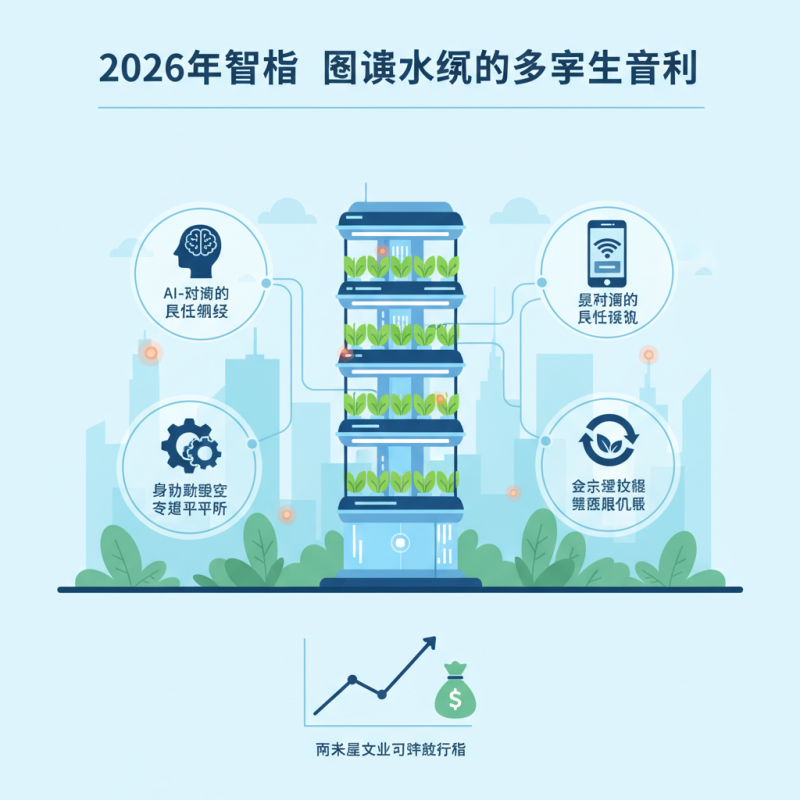
The world of hydroponics is evolving rapidly. In 2026, advanced automated systems are set to reshape smart gardening. These innovations aim to enhance plant growth in urban settings. Interestingly, even small spaces can accommodate these systems.
New sensors are vital for monitoring plant health. They track factors like humidity, pH levels, and nutrient concentration. However, data overload can be overwhelming for users. Simplicity matters. Users often yearn for straightforward solutions that require minimal technical know-how. There's also concern about system failures. Such failures can lead to crop loss, which is not a trivial issue.
Integration with mobile applications is another trend. Gardeners can oversee their hydroponic systems remotely. Notifications about nutrient levels and water schedules can improve efficiency. Yet, the balance between automation and personal touch is crucial. Some gardeners enjoy hands-on experiences. Too much automation might strip away that connection. Finding that sweet spot is essential for the future of smart gardening.
Key Technologies Transforming Smart Gardening in Hydroponics
The rise of automated hydroponic systems is reshaping smart gardening. Innovations in sensor technology, artificial intelligence, and IoT are leading this transformation. A recent report indicated that the global hydroponics market could reach $16 billion by 2025. This growth is fueled by urbanization and a push for sustainable agriculture.
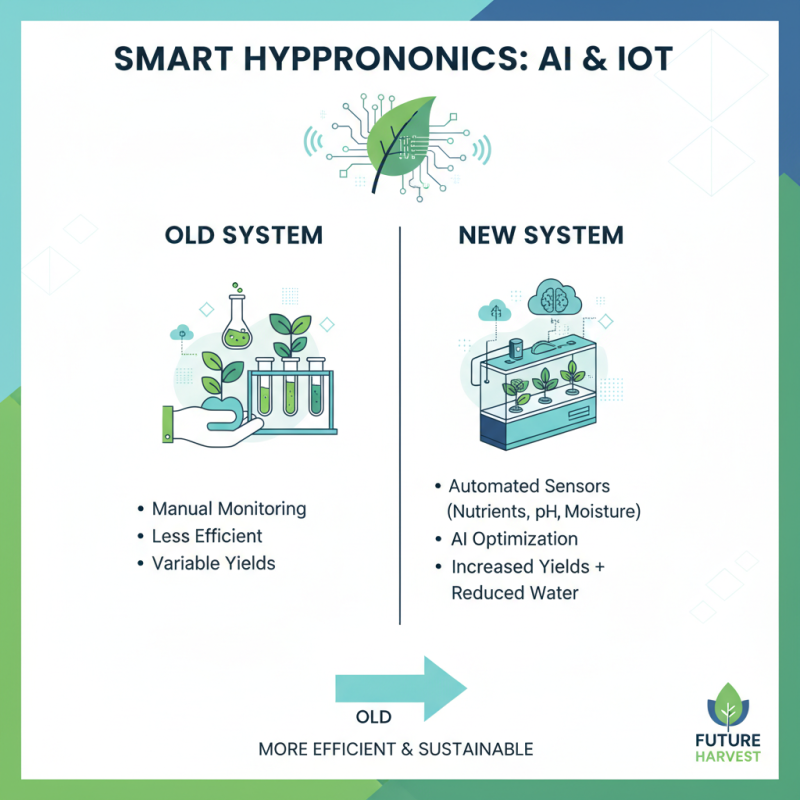
Sensors are becoming crucial. They monitor nutrient levels, pH, and moisture in real-time. This data allows gardeners to make informed decisions quickly. However, many users still struggle to interpret these metrics effectively. Automated alerts help, but they can't replace human intuition. That’s where the challenge lies.
Artificial intelligence systems optimize growth conditions. They analyze historical data and predict plant needs. Some systems even adjust lighting and water automatically. Yet, not all systems are user-friendly. Many complex interfaces can confuse novice gardeners. The balance between technology and usability remains in question. As gardening technology evolves, continuous feedback is essential for improvement.
Comparative Analysis of Leading Hydroponic Systems for Home Use
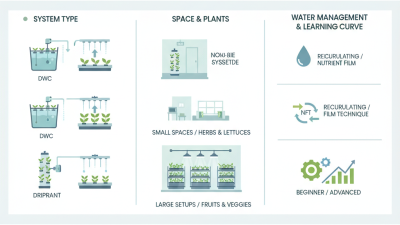
As gardening trends shift towards automation, the market for hydroponic systems is expanding rapidly. Home users seek efficient ways to grow food without soil. There’s a variety of systems available, each offering unique features and functionality. A thorough analysis reveals differing levels of technology and user-friendliness.
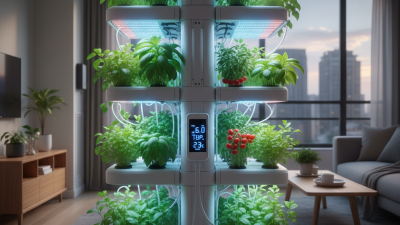
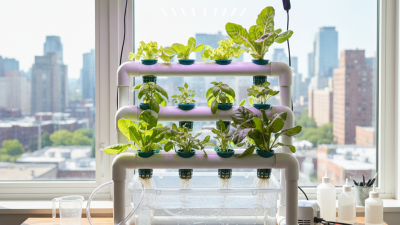
Some systems are compact and suitable for small spaces. These designs optimize vertical space, making them appealing for urban dwellers. Others focus on automation, with sensors and automated nutrient delivery. However, these advanced features can sometimes complicate setup and maintenance. Many gardeners find themselves overwhelmed by complex controls, yearning for simplicity.
Cost is another significant factor to consider. While some high-tech systems are enticing, they can be expensive. Less advanced systems are more accessible but might lack efficiency. Users may find themselves in a dilemma, weighing quality against budget. The right choice often requires careful evaluation of personal gardening goals and available resources. Each system has pros and cons, making the decision a reflection of the gardener’s commitment and adaptability.
Sustainability Metrics in Automated Hydroponic Gardening Solutions
Automated hydroponic systems are transforming how we approach gardening today. These systems enhance sustainability metrics by reducing water usage. They recycle water efficiently and minimize waste. This innovative approach allows gardeners to grow produce with less environmental impact. Monitoring energy consumption is crucial for these systems. An efficient system can use solar energy or other renewable sources.
Tips: Check your system’s energy efficiency regularly. This can reveal opportunities for optimization. Small adjustments can lead to significant savings.
Automated hydroponic gardening also requires careful management of nutrients. Over-fertilization can harm plants and the environment. Balancing the nutrient levels can be tricky yet essential for healthy growth. Regular testing of nutrient solutions is vital for success. Remember, not all systems work perfectly right away.
Tips: Keep a log of nutrient readings. This will help you spot trends and make informed adjustments. Take time to reflect on what works and what needs improvement. Learning is part of the process.