What are the Benefits of Tunnel Greenhouses for Gardening?
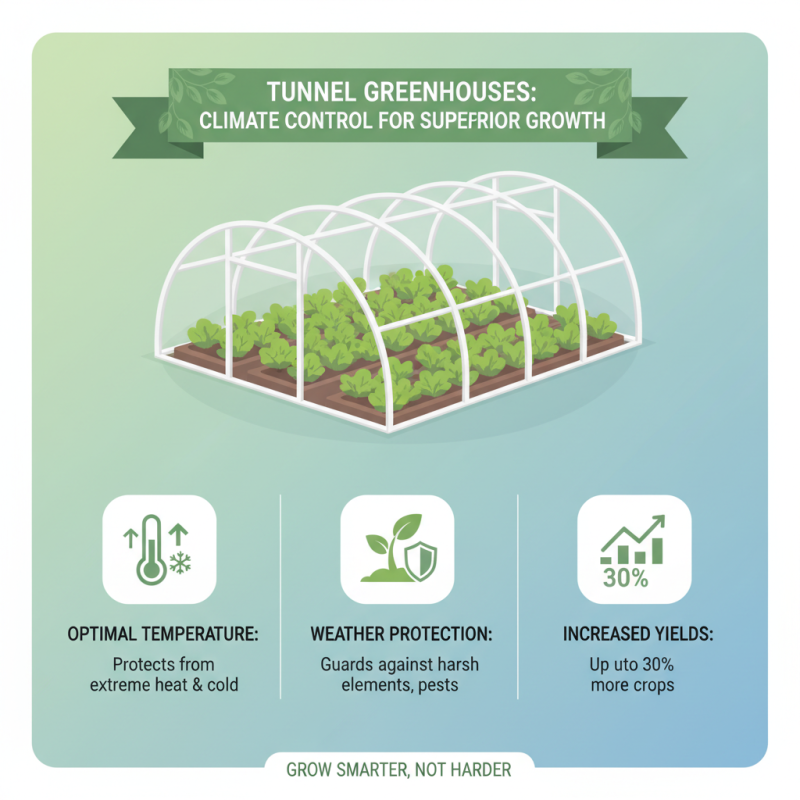
Tunnel greenhouses are transforming the way we approach gardening. They offer a controlled environment that can enhance growth and extend the growing season. According to the Greenhouse Manufacturers Association, tunnel greenhouses can increase crop yields by up to 30%. This improvement is significant for small-scale farmers and home gardeners alike.
The design of a tunnel greenhouse promotes better airflow and temperature regulation. Research indicates that these structures can maintain optimal conditions even in adverse weather. For instance, a study conducted by Agricultural Research Service revealed that crops in tunnel greenhouses had improved resistance to pests and diseases. However, maintaining humidity levels can be challenging and requires careful monitoring.
While the benefits are substantial, some drawbacks exist. Installation costs might be a consideration for budget-minded gardeners. Additionally, the durability of the materials can lead to long-term concerns. Gardeners must weigh these factors when deciding on a tunnel greenhouse. As the trend grows, understanding both the advantages and limitations will be crucial for effective gardening.
Overview of Tunnel Greenhouses and Their Structures
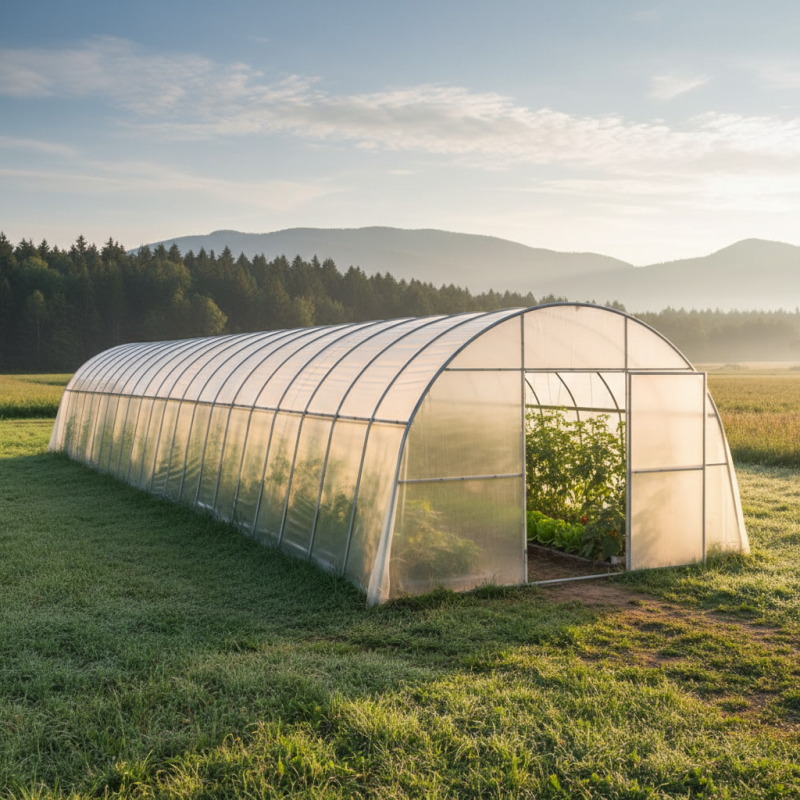
Tunnel greenhouses are a popular choice for many gardeners. Their structure is simple yet effective. They typically consist of a curved or arched frame covered with a durable plastic film. This design helps to create a warmer environment. The arch shape allows for better drainage and stability against winds.
Many gardeners appreciate the natural light that tunnel greenhouses allow in. They can trap heat, which extends the growing season. However, managing temperature can be tricky. On sunny days, it can get very hot inside. Ventilation systems can help but may require constant attention.
Planting in tunnel greenhouses encourages creativity. You can experiment with different plants that thrive in varied conditions. However, soil health can be a challenge to maintain. The enclosed space needs regular monitoring, as pests can quickly multiply. Despite these challenges, tunnel greenhouses offer unique opportunities for growing food and flowers year-round.
Benefits of Tunnel Greenhouses for Gardening
Enhanced Climate Control in Tunnel Greenhouses
Tunnel greenhouses provide a remarkable solution for gardeners seeking enhanced climate control. These structures allow growers to create optimal conditions for their plants, regardless of external weather. For instance, research indicates that tunnel greenhouses can increase crop yields by up to 30% compared to conventional growing methods. This efficiency stems from better temperature regulation and protection from harsh elements.
The enclosed environment of a tunnel greenhouse limits exposure to wind, rain, and pests. Furthermore, it traps heat effectively. According to the USDA, temperature variations within these structures can be minimized by up to 10°F compared to the outside. However, it's worth noting that improper ventilation can lead to overheating on sunny days. Gardeners must install fans or vents to manage air circulation effectively.
Additionally, humidity levels are more controllable in tunnel greenhouses. A study found that maintaining optimal humidity can lead to reduced disease pressure, which is vital for plant health. Still, gardeners may face challenges, as excess moisture can become a breeding ground for mold. Finding the right balance requires attention and experimentation. Emphasizing climate control can undoubtedly benefit vegetable growth, yet each gardener must navigate their unique situation with care.
Extended Growing Seasons and Crop Yield Benefits
Tunnel greenhouses offer unique advantages for extending growing seasons. They create a controlled environment, shielding plants from adverse weather. This makes it possible to plant earlier in spring and harvest later in fall. Many gardeners notice a significant boost in their crop yields when using tunnel greenhouses.
For instance, crops like tomatoes and peppers thrive in the warm conditions of a tunnel greenhouse. The added warmth can lead to earlier fruiting. However, it is crucial to maintain proper ventilation. Overheating can damage plants. Regularly check temperature and humidity levels to ensure a thriving garden.
Tips: Positioning your tunnel greenhouse to maximize sunlight can further enhance growth. Using organic mulch inside can help retain moisture. Keep an eye out for pests; they can thrive in the warm environment, too. Regular monitoring is essential to catch any issues early. With practice, your tunnel greenhouse can become a successful gardening tool.
Benefits of Tunnel Greenhouses for Gardening
| Benefit |
Description |
Impact on Gardening |
| Extended Growing Season |
Tunnel greenhouses allow for earlier planting in spring and later harvesting in fall. |
Increases the number of crops harvested per year. |
| Improved Crop Yield |
Controlled environment enhances plant growth and health. |
Higher quantities of fruits and vegetables produced. |
| Pest and Disease Control |
Reduced exposure to pests and diseases compared to outdoor growing. |
Lower pesticide use and healthier crops. |
| Climate Protection |
Provides shelter from extreme weather events like storms and frost. |
Milder growing conditions lead to healthier plants. |
| Water Conservation |
Reduced evaporation rates allow for more efficient water usage. |
Saves water and lowers irrigation costs. |
Cost-Effectiveness and Sustainability of Tunnel Greenhouses
Tunnel greenhouses offer an affordable option for sustainable gardening. According to a report by the International Journal of Agricultural Science, crop yields can increase by 30-50% when using tunnel greenhouses. This increase translates to better profitability for small-scale farmers. The initial investment is lower than traditional greenhouses. They are cost-effective in multiple ways, making them attractive to various gardeners.
These structures protect plants from harsh weather and pests. This reduces the need for chemical pesticides, promoting more organic practices. A study from the USDA found that these methods can lower production costs by up to 20%. However, they still require regular maintenance, which can be time-consuming. Some gardeners may struggle with this commitment.
Water usage is also a concern. While tunnel greenhouses can improve resource efficiency, they must be monitored. Over-watering can lead to root diseases. Balancing moisture levels is crucial. It's easy to overlook this, especially for new gardeners. Sustainability in gardening is not just about structures; it includes thoughtful management of resources.
Pest and Disease Management in Tunnel Greenhouses
Tunnel greenhouses provide an effective environment for gardening. They help manage pests and diseases more efficiently than traditional methods. The controlled climate allows for healthier plants, reducing stress and vulnerability. Pests thrive in crowded spaces, making it essential to monitor plant health regularly.
Regularly check for signs of pests. Use sticky traps to capture flying insects. Encourage beneficial insects like ladybugs. They can help control harmful pest populations. Consider crop rotation within the tunnel. This practice can interrupt pest life cycles.
Be mindful of humidity levels. Excess moisture can lead to fungal diseases. Ventilation is crucial to maintain airflow in the greenhouse. Sometimes, despite best efforts, diseases can still emerge. Early detection is key. Remove affected plants quickly to prevent further spread. Healthier plants lead to a more productive garden.