7 Best Hydroponic Setup Kits for Beginners in 2026?

A first hydroponic setup should make growing easier to understand, not turn a windowsill into a plumbing project. For beginners, the right kit can provide a compact reservoir, a small pump, grow cups, and clear instructions. But “best” depends on your space, budget, crop choice, and willingness to check water regularly. Tiny details matter. A pump’s hum at night matters, too.

Hydroponics educator Howard M. Resh has written extensively about soilless growing. A practical paraphrase of his approach is: “Choose a system that fits the plants, space, and care you can sustain.” This is a paraphrase, not a direct quotation. It captures an important point: equipment alone does not guarantee healthy growth. Light, nutrients, water levels, and routine checks all play a part.

This guide compares seven beginner-friendly hydroponic setup kits for 2026, focusing on assembly, footprint, included components, and everyday upkeep. It also considers where each kit may disappoint. Some compact systems can feel crowded once plants mature. Some instructions leave new growers guessing. That deserves attention. A starter kit should help you learn, while leaving room to adjust when your first plan does not work. Expect practical trade-offs, not a perfect system in every box.
7 Best Hydroponic Setup Kits for Beginners in 2026?

How Hydroponic Systems Grow Plants Without Soil

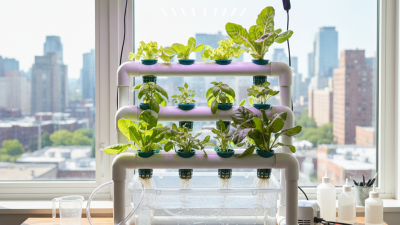
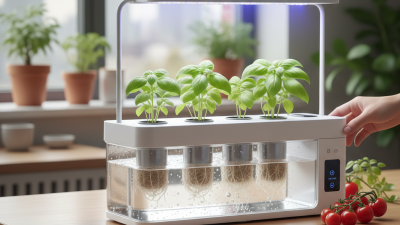
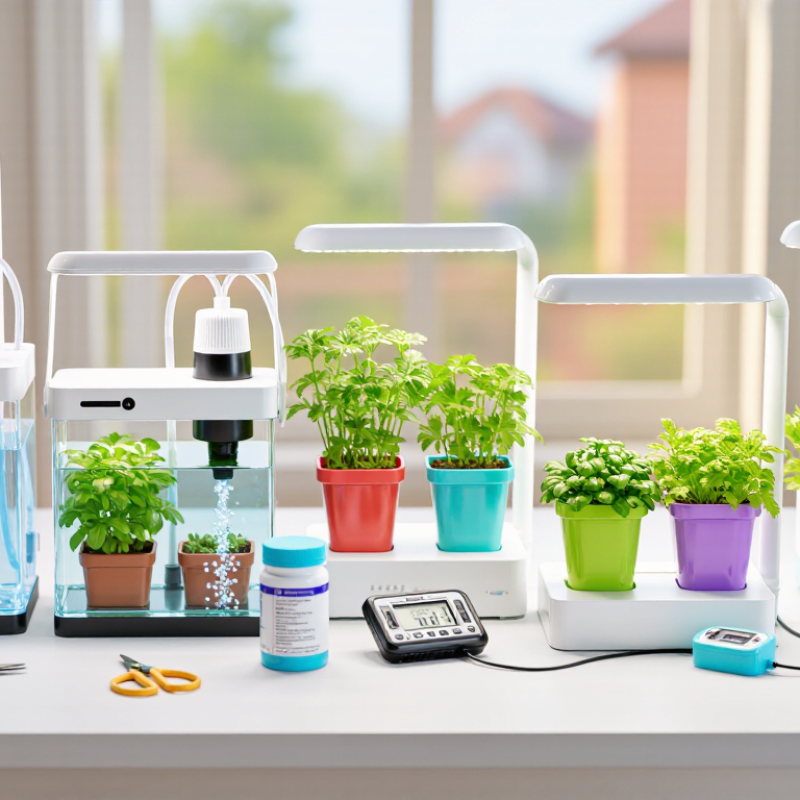
Hydroponics grows plants by delivering dissolved nutrients directly to their roots. A pump moves the solution through channels or containers, while air stones can help keep roots oxygenated. Instead of soil, plants rely on water, light, support material, and a balanced nutrient mix. Small beginner kits make the process visible: you can watch roots extend beneath a net pot and check the reservoir level. No soil. But the system still needs attention.

Water efficiency can be a major benefit, though results depend on the crop and setup. A 2015 study in the International Journal of Environmental Research and Public Health measured about 20 liters of water per kilogram of hydroponic lettuce, compared with roughly 250 liters for conventionally grown lettuce. These figures describe one study, not every garden. Still, they show why recirculating systems attract interest. They also require monitoring; a clogged pump or incorrect nutrient concentration can quickly stress plants.

Tips: Start with leafy greens, follow the kit’s nutrient instructions, and check pH and water levels regularly. Keep the reservoir out of direct sunlight to discourage algae. Record changes in a simple notebook. It feels fussy at first. A little trial and error is normal, and the numbers alone cannot tell you how your own room’s temperature or light will affect growth.

What Beginners Should Consider When Choosing a Kit

Choosing a beginner hydroponic kit starts with the space you actually have, not the number of plants pictured on the box. Measure the shelf, check nearby outlets, and leave room to reach the reservoir. A compact countertop system may suit leafy greens, while fruiting crops need stronger light, more root space, and patient upkeep. That difference matters. Look for clear instructions, replaceable parts, and a reservoir that is easy to drain without spilling nutrient solution. An opaque tank can reduce light exposure and help discourage algae. Check whether the kit includes a timer, growing medium, and a suitable light; accessories vary. Read the care schedule before buying.

Consider ongoing costs, too. Nutrients, replacement growing media, and electricity can add up over a growing season. Small details count. A water-level indicator is useful, but it does not replace checking the roots and solution regularly. Make sure the light can sit at the recommended distance above the plants, and confirm that the pump is quiet enough for your room. Harvest estimates are not guarantees; crop choice, light, and routine care all affect results. A kit with more features is not automatically easier. If setup instructions seem vague or replacement parts are hard to identify, pause and compare another option. The best fit is one you can maintain consistently, even on a busy week.

7 Best Hydroponic Setup Kits for Beginners in 2026? – What Beginners Should Consider When Choosing a Kit

This comparison covers common beginner-friendly kit types rather than specific brands. Capacity, dimensions, included equipment, and cost vary by model; check the product specifications before purchasing. “Best” depends on your space, crop choices, and willingness to monitor the system.

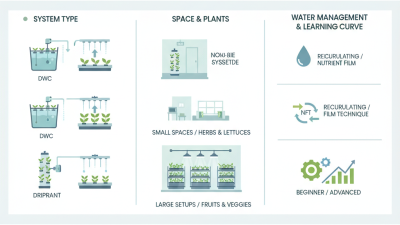
Setup type Typical beginner capacity Good crops to start with Space and equipment Beginner considerations Best suited to Learning curve
Countertop deep-water culture (DWC) About 3–12 plant sites, depending on the reservoir and layout Lettuce, basil, and other compact leafy greens Small countertop footprint; usually includes a reservoir, net pots, and an air pump with air stone Check water level and nutrient strength regularly. Roots need reliable aeration, and the reservoir should be kept clean. A first indoor grow with a few plants Low
Large-reservoir DWC Often around 4–12 plants per reservoir; plant spacing limits the usable count Leafy greens and herbs; larger fruiting plants need more room and support Floor or shelf space; reservoir, air pump, air stone, net pots, and often a grow light for indoor use A larger reservoir can buffer small changes in water conditions, but it is heavier to move and still needs monitoring and cleaning. Growing several plants together indoors Low–moderate
Passive wick system Usually 1–4 plants in a small container or planter Small herbs and compact leafy greens Compact setup with a nutrient reservoir, growing medium, and wick; no pump or electricity for water circulation Simple to assemble, but the wick may not supply water quickly enough for large, thirsty, or fast-growing plants. A low-maintenance introduction with no powered water system Low
Kratky-style passive reservoir Commonly 1–6 plants, depending on container size and plant spacing Lettuce and other leafy greens harvested before they become large Container, net pots, and suitable growing medium; no pump is needed for a correctly designed passive setup Allow an air gap to develop between the nutrient solution and the net pot as the solution level falls. Avoid topping up in a way that submerges all the roots. A simple, small-scale trial with minimal equipment Low
Nutrient film technique (NFT) channels Often 6–20 sites in compact multi-channel kits Lettuce, basil, and similarly light, fast-growing crops Channels, reservoir, pump, tubing, and a level, stable support; indoor use may require a grow light Water flow and channel slope matter. Roots can dry if circulation stops, so consider pump reliability and what happens during a power outage. Growers who want multiple plants in a narrow footprint Moderate
Drip irrigation with growing buckets Commonly 1–4 plants in a small beginner kit Tomatoes, peppers, cucumbers, and other larger plants when the kit is sized appropriately Reservoir, pump, drip lines, growing containers, and a support structure for tall plants Emitter blockages and uneven watering can occur. Larger fruiting plants need more light, space, nutrients, and support than leafy greens. Beginners focused on one or a few larger crops Moderate
Ebb-and-flow (flood-and-drain) tray Often 4–12 small pots or plant sites on a tray Herbs, leafy greens, and compact plants suited to the tray size Growing tray, reservoir, pump, timer, tubing, and a stable stand or bench The timer and drain must be set up correctly, and the tray needs to drain reliably. Check for leaks and clean the reservoir and tray periodically. A flexible setup for several small pots in one area Moderate

Seven Hydroponic Setup Kits Compared for 2026

Comparing seven hydroponic setup kits for 2026 starts with the space, crops, and attention you can realistically provide. A countertop deep-water culture kit suits a few leafy greens, but its air pump needs reliable power. Small footprint. More maintenance than it looks. A wick kit has no pump and few moving parts, though thirsty plants may outgrow its slow water delivery. An NFT channel kit saves bench space, but a blocked channel can leave roots dry quickly.

A drip bucket kit gives larger fruiting plants room for their roots; check whether the pump, timer, and growing medium are included. An ebb-and-flow tray can handle several pots, but its flood schedule needs testing before seedlings go in. A vertical tower uses height efficiently, yet upper and lower planting pockets may receive water unevenly. That detail is easy to miss. Look for clear setup instructions and accessible tubing.

The seventh option, a multi-site deep-water culture kit, shares a reservoir among several plants. This can simplify watering, but one water-quality problem may affect every site. Compare reservoir capacity, light coverage, pump noise, and replacement-part availability—not just the number of planting spots. A basic pH and nutrient check helps explain slow growth, though readings need careful interpretation. I would not assume the largest kit is the best beginner choice; a small system makes mistakes cheaper, even if it limits the harvest.

7 Hydroponic Setup Kit Types for Beginners in 2026

Typical plant-site capacity by system type

Plant-site counts show representative beginner setups, not fixed limits. Actual capacity varies by kit design, plant size, and spacing; larger systems may require more monitoring and room.

How to Assemble and Start Your First Hydroponic Kit

Before assembling your first hydroponic kit, clear a stable, level space near a power outlet. Keep it away from heaters and cold windows. Rinse the reservoir, net pots, and tubing with clean water, then check that every connection fits securely. Set the pump in the reservoir and route its tubing as the instructions show. A slightly crooked tube can cause uneven flow, so check the water path before adding nutrients.

Fill the reservoir to the marked level, using water and nutrient measurements recommended for your kit and crop. Don’t guess the dose. Place seeds in the growing medium, following the seed packet’s depth guidance, then set each pot into its opening. Start the pump and watch the system run for several minutes. Look for leaks, dry spots, or water splashing outside the reservoir. Fix small problems now.

Set the grow light at the distance specified by the kit, and use a timer if one is included. Keep notes on water level, light hours, and plant changes. Seedlings can look uneven at first; that is not always a failure. Still, yellow leaves or a weak pump deserve attention. Beginners often add extra nutrients too soon, which can stress young roots. Check the instructions and observe the plants before adjusting the solution. The setup may look a little improvised, and that’s fine if the roots stay moist and the equipment runs safely.

How to Maintain a Kit and Solve Common Growing Problems

Hydroponic kits stay productive when water, light, and airflow remain steady. Check the reservoir every few days, and top it up before roots are exposed. Follow the nutrient label instead of adding extra “for insurance.” Too much fertilizer can stress young plants. Rinse the tank and growing channels between crops to limit algae and mineral buildup. Keep the pump intake clear; a small root fragment can slow circulation. Easy to miss.

Yellow leaves, slow growth, or brown root tips can have several causes. Check water level, pump flow, and room temperature before changing nutrients. A pH and nutrient-strength meter can help, but calibrate it as instructed and record readings. If roots smell sour or feel slimy, remove damaged material and clean the system. Restore gentle circulation, then watch new growth for several days. It is tempting to change several settings at once, but that makes the cause harder to find. Change one thing, then observe.

Tips: Keep a dated notebook of water changes and readings. Wipe light-facing surfaces weekly, and avoid leaving wet leaves overnight. If algae appears, block light from the reservoir rather than using harsh cleaners. A missed check happens; return to a steady routine. Small checks beat emergency fixes.