10 Best Tips for Hydroponic Gardening at Home for Beginners
Hydroponic gardening at home is gaining popularity among urban dwellers. According to a recent report from the National Gardening Association, over 35% of U.S. households are growing food in some form. This trend highlights an increasing interest in sustainable living and fresh produce. Hydroponic systems allow for efficient use of space and resources, making them ideal for small homes.
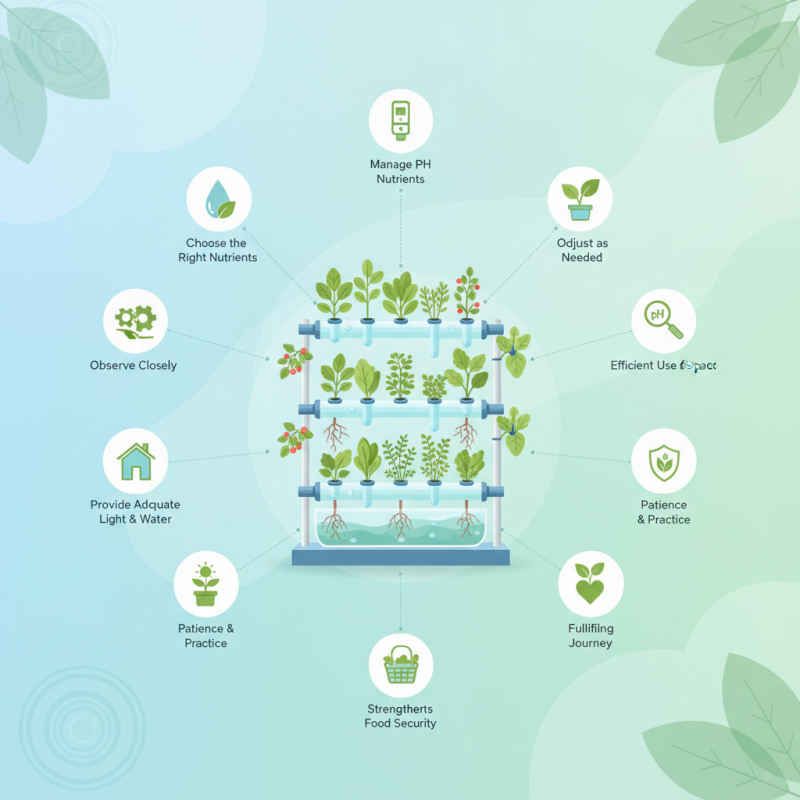
Many beginners find hydroponic gardening at home challenging. Common issues include choosing the right nutrients and managing pH levels. A survey by GrowIt! shows that 60% of new hydroponic gardeners face difficulties in maintaining their systems. It's essential to understand that mistakes are part of the learning process. The key is to observe closely and adjust as needed.
Despite the challenges, the rewards are undeniable. Fresh herbs and vegetables can thrive in limited spaces. Home-grown produce not only tastes better, but it also strengthens food security. Engaging in hydroponic gardening at home can be a fulfilling journey. A little patience and practice can lead to beautiful results.
Understanding Hydroponics: A Beginner's Guide to Soilless Gardening
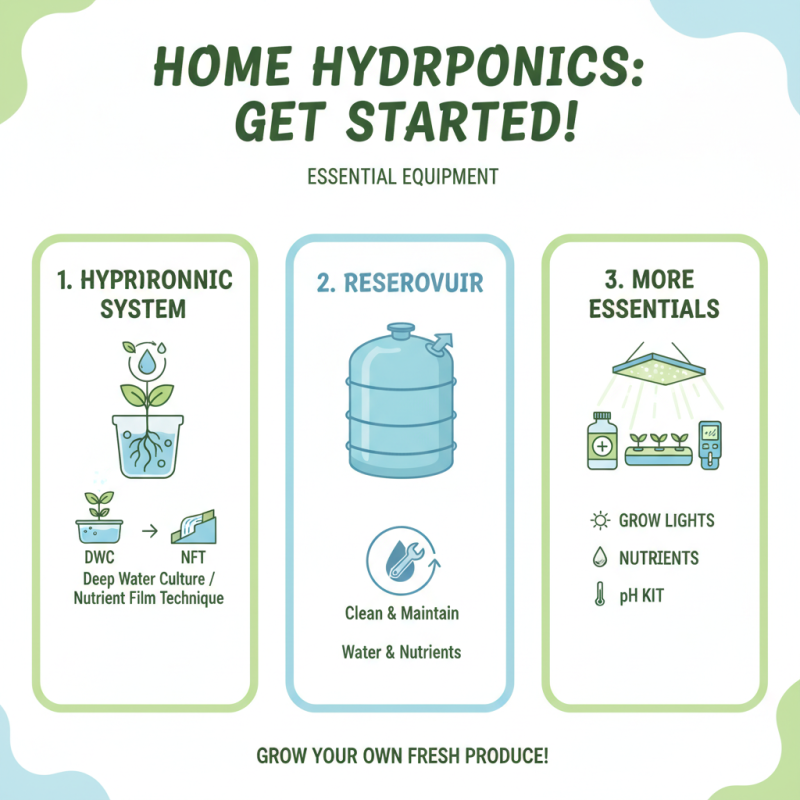
Hydroponics offers an exciting way to grow plants without soil. This method uses nutrient-rich solutions to nourish plants directly. Beginners often feel overwhelmed, but understanding the basics can help. Start by selecting the right system. There are different options like deep water culture and nutrient film technique. Each has its pros and cons. It’s vital to choose based on the space you have and the plants you want to grow.
Lighting is critical. Plants need light to thrive, especially when growing indoors. Many beginners overlook this part. Proper light placement can make or break your garden. LED grow lights are popular for their efficiency and longevity. However, they can be costly at first. Reflect on your budget before investing in lighting equipment. Pay attention to water quality, too. Tap water may contain chlorine or other chemicals that harm your plants. Test your water and adjust as necessary. Mistakes happen, and it’s okay. Every gardener learns through trial and error. Stay patient and observe your plants closely.
Hydroponic Gardening Popularity Among Beginners
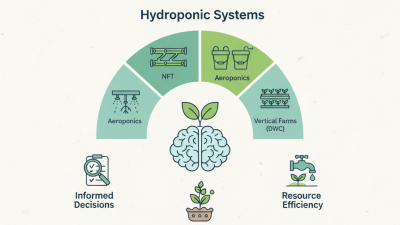
This chart illustrates the popularity of various hydroponic methods among beginners. The data reflects how many beginner gardeners are exploring different soilless gardening techniques. The most common methods include Nutrient Film Technique, Deep Water Culture, and Ebb and Flow systems.
Key Nutrients for Healthy Plant Growth in Hydroponic Systems
Nutrients play a critical role in hydroponic gardening. They directly affect plant growth. Key nutrients include nitrogen, phosphorus, and potassium. These elements enhance the overall health of plants. Research shows that nitrogen promotes foliage growth. A study indicated that plants grown without adequate nitrogen display stunted growth.
Micronutrients are equally important. Calcium, magnesium, and iron contribute to cellular functions. They help plants resist diseases and improve their resilience. A survey revealed that many beginners overlook these vital elements. This oversight can lead to deficiencies and growth issues. For instance, iron deficiency often results in yellowing leaves, known as chlorosis.
Water quality is another factor. The pH level affects nutrient uptake. Ideally, pH levels in hydroponic systems should range from 5.5 to 6.5. A report found that maintaining this range optimizes nutrient absorption. Inexperienced gardeners sometimes struggle with pH balance. Regular monitoring is essential. Inconsistent nutrient levels can hinder plant development. Therefore, understanding these aspects is crucial for success in hydroponic gardening.
10 Best Tips for Hydroponic Gardening at Home for Beginners - Key Nutrients for Healthy Plant Growth in Hydroponic Systems
| Tip |
Description |
Key Nutrients |
| 1. Choose the Right System |
Select a hydroponic system that suits your space and plant choice. |
N/A |
| 2. Use Quality Nutrients |
Invest in high-quality nutrient solutions for optimal plant health. |
Nitrogen, Phosphorus, Potassium |
| 3. Monitor pH Levels |
Keep pH levels between 5.5 and 6.5 for nutrient availability. |
N/A |
| 4. Provide Adequate Lighting |
Ensure plants receive 12-16 hours of light daily for growth. |
N/A |
| 5. Aerate Your Solutions |
Use air stones to increase oxygen levels in nutrient solutions. |
Oxygen |
| 6. Maintain Proper Temperature |
Keep the water temperature between 68-72°F for best results. |
N/A |
| 7. Clean and Sterilize |
Regularly clean systems to prevent algae and bacteria. |
N/A |
| 8. Start with Easy Plants |
Begin with fast-growing plants like lettuce or herbs. |
N/A |
| 9. Learn from Experience |
Keep notes on your plants’ growth and nutrient needs. |
N/A |
| 10. Connect with Community |
Join forums or local groups to share tips and experiences. |
N/A |
Common Hydroponic Systems: Choosing the Right Setup for Beginners
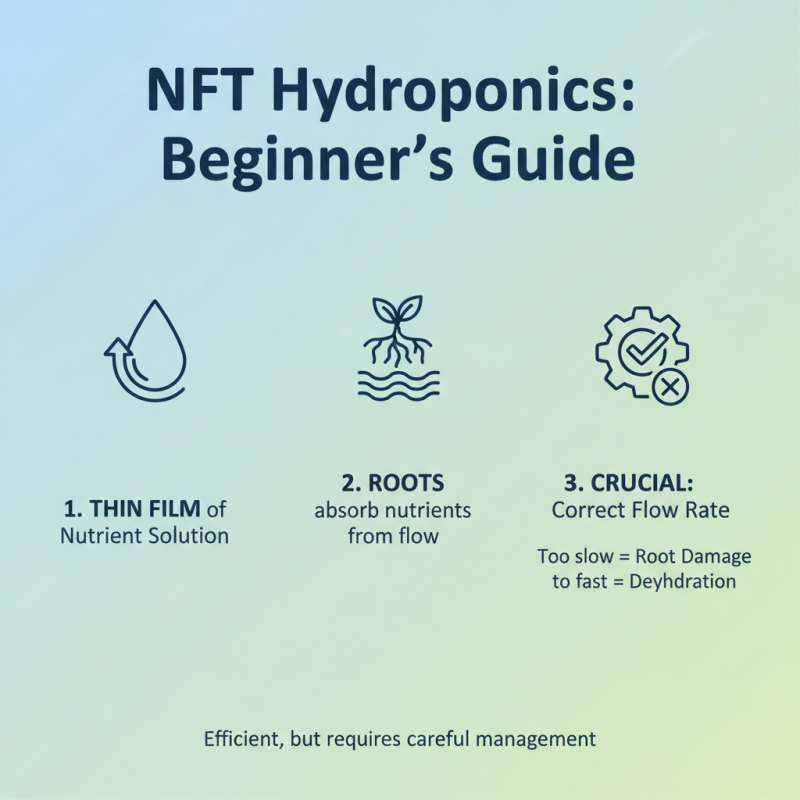
When starting in hydroponic gardening, choosing the right system is crucial. There are several common hydroponic systems suitable for beginners. Nutrient Film Technique (NFT) is one popular choice. It involves a thin film of nutrient solution flowing over the roots. It’s efficient but can be tricky to manage. You must get the flow rates right or risk plant damage.
Deep Water Culture (DWC) is another beginner-friendly option. Plants sit in nutrient-rich water with air stones for oxygen. It’s simpler but can lead to algae growth if not monitored. Consider Ebb and Flow systems as well. They use a cycle of flooding and draining. It allows easy access for maintenance but may require more equipment.
Understanding your chosen system is essential. Each has unique needs, and factors like light, temperature, and plant type come into play. Mistakes are part of the learning process. You may over- or under-water plants. Monitoring and adjusting will be necessary. Even experienced growers face challenges. Embrace the journey, and you will see progress over time.
Maintaining Optimal Conditions: Temperature, pH, and Light Requirements
Maintaining optimal conditions is crucial for successful hydroponic gardening. Temperature, pH, and light play significant roles in plant growth. Ideal temperature ranges from 65°F to 75°F. Regular monitoring is required. Plants may react poorly to fluctuations. Too hot, or too cold, can hinder progress.
Managing pH levels is equally important. Aim for a pH between 5.5 and 6.5. This range promotes nutrient absorption. It's wise to check pH weekly. Adjusting it can be tricky and time-consuming. Use reliable methods or digital tools for accurate readings.
Light is the lifeblood of hydroponics. Most plants thrive on 12 to 16 hours of light daily. Consider LED or fluorescent lights. They are energy efficient and produce less heat. However, positioning lights can be challenging. Too close can scorch leaves; too far can stunt growth. Monitoring light intensity is key. Test different setups to find what works best.