How to Choose the Right Commercial Hydroponic Systems for Your Business?
The demand for fresh produce is rising. In fact, the global hydroponics market is expected to reach $16 billion by 2025. This growth presents opportunities for businesses. Choosing the right commercial hydroponic systems is crucial for success. Equipment varies widely in terms of scale and functionality.
Many entrepreneurs may overlook the importance of proper system selection. Without a suitable hydroponic setup, profitability can dwindle. Factors like crop type, space, and budget should influence decisions. Research shows that efficient systems can reduce water usage by up to 90%. However, many still fail to optimize their setups.
Investing in commercial hydroponic systems requires careful consideration. The initial costs can be high, but the right choice pays off. Balancing cost-effectiveness and technology is essential. As the industry evolves, staying informed about advancements is necessary. Select wisely to cultivate a thriving business in this competitive market.
Understanding Your Business Needs for Hydroponic Systems
When selecting the right commercial hydroponic system, understanding your business needs is crucial. Different systems serve various purposes, such as maximizing space or increasing yield. According to a recent report by the Markets and Markets research group, the global hydroponics market is expected to reach $16.4 billion by 2025. This rapid growth suggests that there’s a demand for tailored solutions.
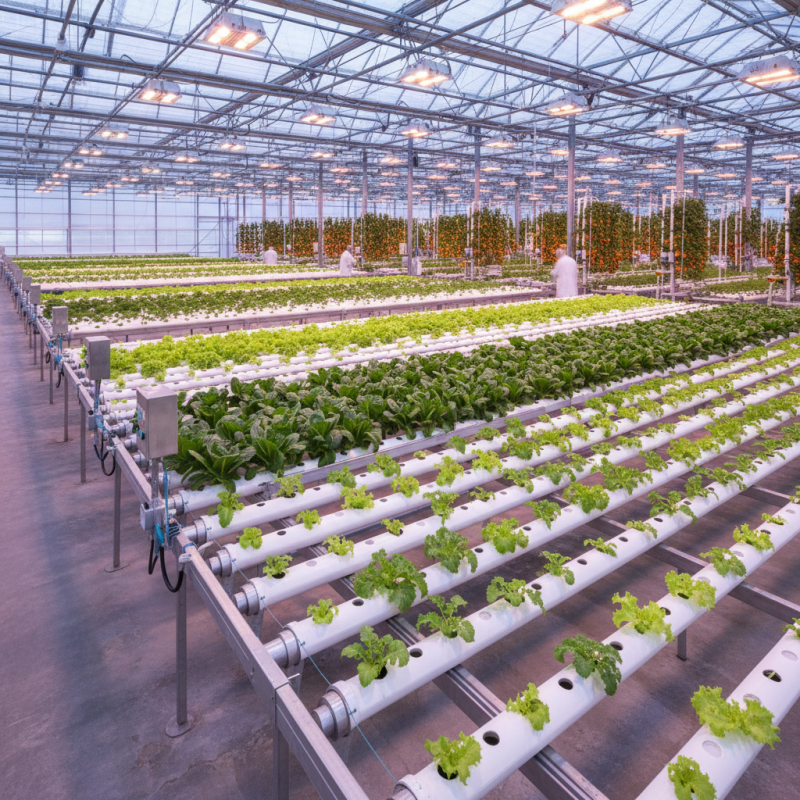
Consider your crop selection. Leafy greens and herbs often thrive in simpler systems, while fruits may need more advanced setups. A study from Grand View Research points out that nutrient film technique (NFT) systems are gaining popularity due to their effectiveness in maximizing production. However, these systems require a greater understanding of nutrients and pH levels, making them less beginner-friendly.
Space is another vital consideration. A compact system might suit urban settings, but larger operations may need expansive setups. Many businesses underestimate requirements, leading to cramped growth conditions. Flexibility is key; as demand changes, the capability to scale operations becomes essential. A report from Technavio highlights that 60% of hydroponic growers face challenges when adapting systems to evolving market needs. Adopting a system with adjustable features can mitigate these risks.
Types of Commercial Hydroponic Systems Available
When selecting a commercial hydroponic system, understanding the types available is crucial. There are several systems, each with unique characteristics.
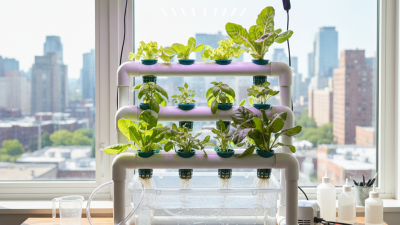
Nutrient Film Technique (NFT) is popular. It involves a thin film of nutrient solution flowing over plant roots. This method is efficient but may face challenges.
Root exposure can lead to drying out.
Deep Water Culture (DWC) is another viable option. In DWC, plant roots are submerged in nutrient-rich water. This ensures constant access to nutrients and oxygen.
However, it requires strict monitoring of oxygen levels. Neglecting this can harm plant growth.
Ebb and Flow systems are also common. They use a timer to flood plants with nutrient solution. Then, the solution drains away. While simple, this method can be messy and requires careful timing.
Each system has its pros and cons. Consider your business needs before making a decision. The right choice can significantly impact your success.
Evaluating Space and Environmental Requirements
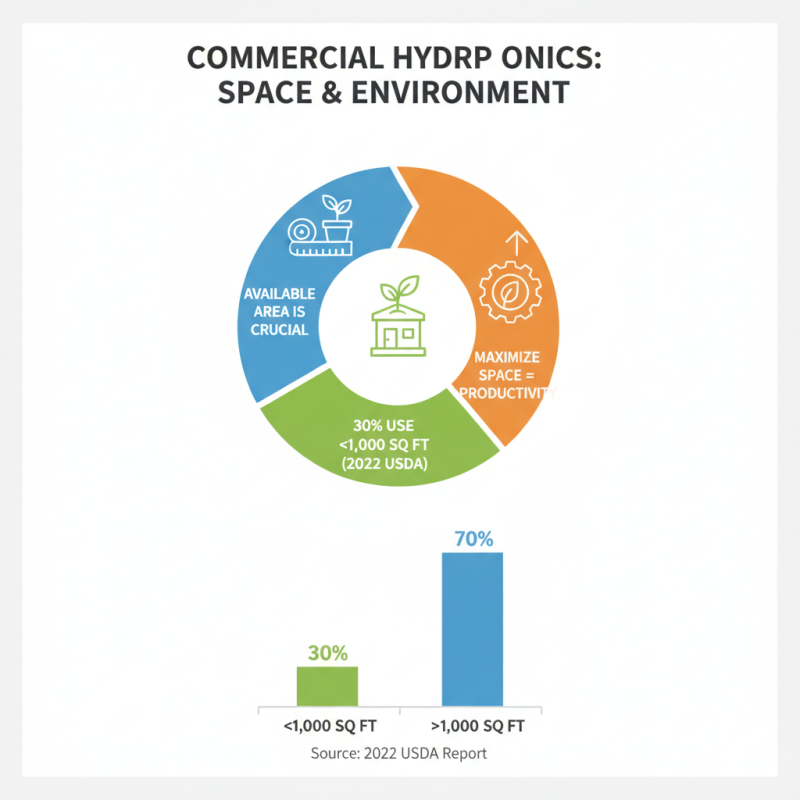
When evaluating space and environmental requirements for commercial hydroponic systems, several factors come into play. The available area is crucial. A small space can limit your options for growing systems. According to a 2022 report by the USDA, nearly 30% of commercial growers work in spaces under 1,000 square feet. Understanding how to maximize that space is vital for productivity.
Climate control is another essential component. Hydroponic systems thrive in precise environments. Temperature, humidity, and light must be monitored closely. Research from the National Sustainable Agriculture Coalition indicates that temperature fluctuations can reduce crop yields by up to 20%. Employing sensors for real-time data can help manage these conditions efficiently.
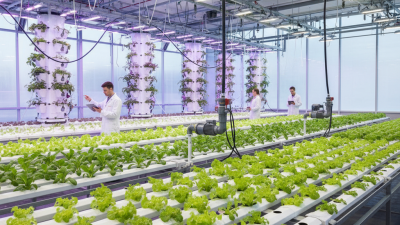
**Tip:** Consider vertical farming solutions. They can significantly reduce space requirements while maximizing yield.
Remember that not every system fits every space. For example, deep water culture might need more headroom. On the other hand, nutrient film technique systems could fit well in smaller, lower areas.
**Tip:** Analyze your layout before purchasing any equipment. This prevents the need for costly modifications later.
Decision-making requires reflecting on specific needs. Each business has unique challenges shaped by space and environment. Recognizing these issues early can save time and money.
Budgeting and Cost Considerations for Hydroponics
When budgeting for commercial hydroponic systems, consider both initial and ongoing costs. The setup can be costly. Equipment, nutrients, and space add up quickly. A small system may start at a few thousand dollars. Larger setups can reach tens of thousands. Evaluate what fits your budget.
Don't forget about operating expenses. Utilities, maintenance, and labor significantly impact overall costs. Hydroponics can require more energy than traditional farming. Fertilizers and water must also be factored in. Review local utility rates. They can vary greatly and affect profitability.
Reflect on customization needs. A one-size-fits-all approach may not work. Custom systems can cater to specific crops but may escalate costs. Always have a contingency plan. Unforeseen expenses can arise. It’s vital to anticipate these potential issues. Regularly reviewing your financial plan helps maintain sustainability.
Cost Considerations for Different Hydroponic Systems
Maintenance and Support for Hydroponic Systems
Maintaining a hydroponic system is crucial for its efficiency and productivity. Regular checks on equipment and nutrient solutions help prevent problems. Over time, components may wear out. This could lead to unexpected downtimes. Addressing these issues promptly is essential to avoid larger setbacks.
Support is another vital aspect. Having access to knowledgeable technicians can make a significant difference. They offer troubleshooting assistance when problems arise. It can be stressful when something goes wrong. The right support reduces anxiety. Also, consider training staff to handle minor repairs. Empowering your team fosters independence and confidence.
Documentation is often overlooked but essential. Keeping detailed records of maintenance schedules and interventions can guide future care. Regular audits of hydroponic systems can reveal areas needing improvement. Ignoring these insights may lead to recurring issues. Reflection on maintenance practices can enhance overall system performance.