10 Essential Tips for Mastering Your Hydro Grow System?
Hydroponics is transforming how we grow food. A hydro grow system offers numerous benefits like faster plant growth and higher yields. According to a report by the National Gardening Association, 50% of hydroponic growers report success in increasing crop yield by more than 20%. These impressive statistics are driving many to adopt hydroponic systems.
However, mastering a hydro grow system is not without its challenges. Many new growers struggle with nutrient balance and pH levels. Studies show that improper nutrient management can lead to a yield reduction of up to 30%. Understanding the intricacies of your system is crucial. Small errors can snowball into significant issues, affecting overall harvest quality.
Investing time in learning can lead to a rewarding experience. Utilizing effective techniques can enhance your system’s performance. Remember, even experienced growers face setbacks and must continually adapt. Embrace the learning process and refine your methods over time. A well-managed hydro grow system can lead to fruitful results.
Understanding the Basics of Hydroponics: Key Concepts Explained
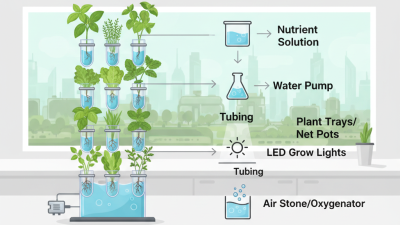
Hydroponics is a method of growing plants without soil. Instead, plants thrive in nutrient-rich water solutions. This technique allows for greater control over nutrients and can yield faster growth. Understanding the basics is essential before diving deeper into this system.
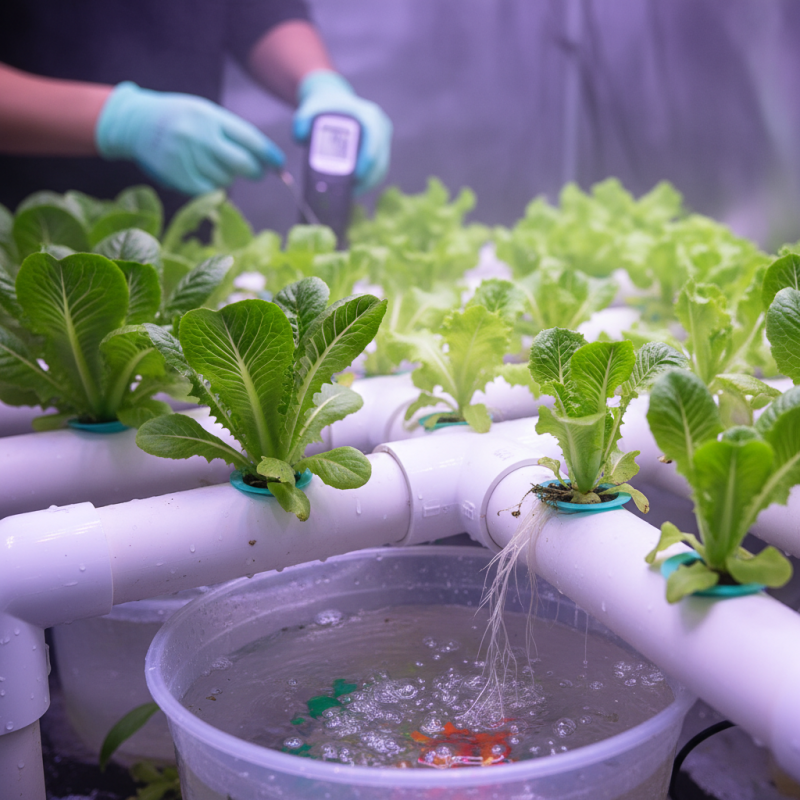
One important tip is to maintain proper pH levels. Most plants prefer a pH range of 5.5 to 6.5. Testing your solution regularly can help avoid nutrient lockout. If the pH strays too far, plants may struggle to absorb nutrients. Adjusting pH can be a trial-and-error process.
Another key concept is light. Plants need adequate light for photosynthesis. In indoor setups, using grow lights can make a difference. However, overexposure can scorch delicate leaves. Observing your plants can guide you in fine-tuning light duration and intensity. Watch for signs of stress, as they indicate a need for adjustments.
Managing water temperature is also vital. Too hot or too cold water can shock the roots. Aim for a stable temperature between 65°F and 75°F. Consistency is critical, especially in fluctuating climates. Keep an eye on water levels and adjust as necessary.
10 Essential Tips for Mastering Your Hydro Grow System
This chart illustrates the importance of various factors in successful hydroponics, measured on a scale from 1 to 10. Understanding these factors can help you optimize your hydro grow system.
Choosing the Right Hydro Grow System: Types and Considerations
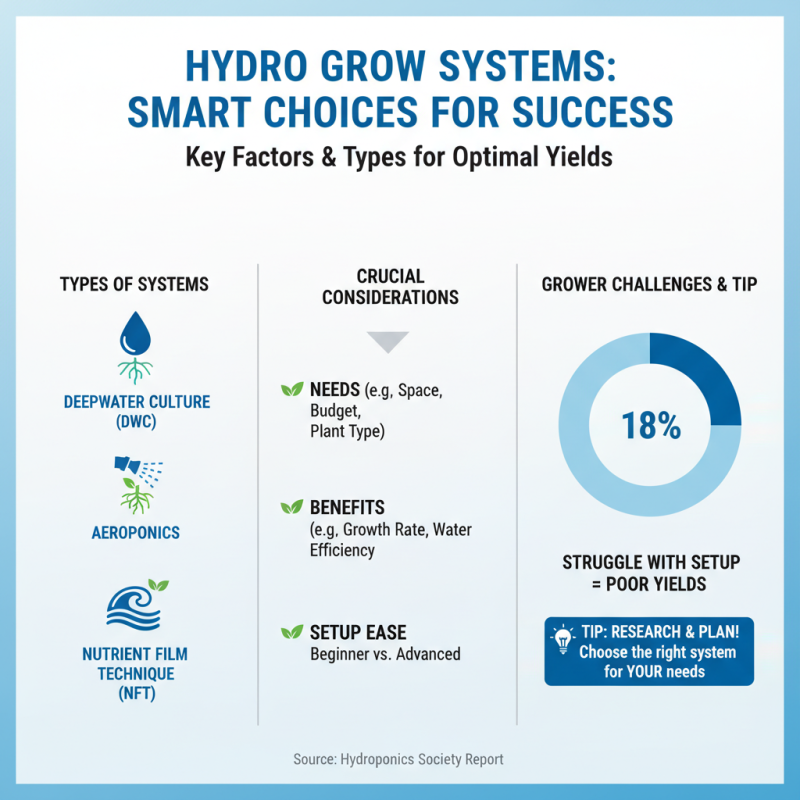
When choosing a hydro grow system, various factors come into play. Various types exist, including deep water culture, aeroponics, and nutrient film technique. Each system has different needs and benefits, making selection crucial for success. A recent report from the Hydroponics Society revealed that around 18% of growers struggle with system setup, leading to poor yields.
Deep water culture systems are popular for their simplicity. They require an air pump and a reservoir, providing plants with nutrient-rich water. However, they are sensitive to pH levels and water temperature changes. In contrast, aeroponics can achieve faster growth rates. Studies show that plants grown aeroponically can grow up to 30% faster than in traditional systems. Still, they require more precise monitoring and can be easily disrupted by system failures.
The decision ultimately relies on available resources and personal comfort levels. Many new growers jump into advanced systems without fully understanding them. Data indicates that 25% of novice hydroponic growers abandon their setups due to complexity. Reflect on your own skill level and resources before diving in. Testing different setups can lead to unique insights, but frustration may arise. Adapting to challenges is part of the journey in mastering hydro growing.
Essential Nutrients for Hydroponic Plants: What You Need to Know
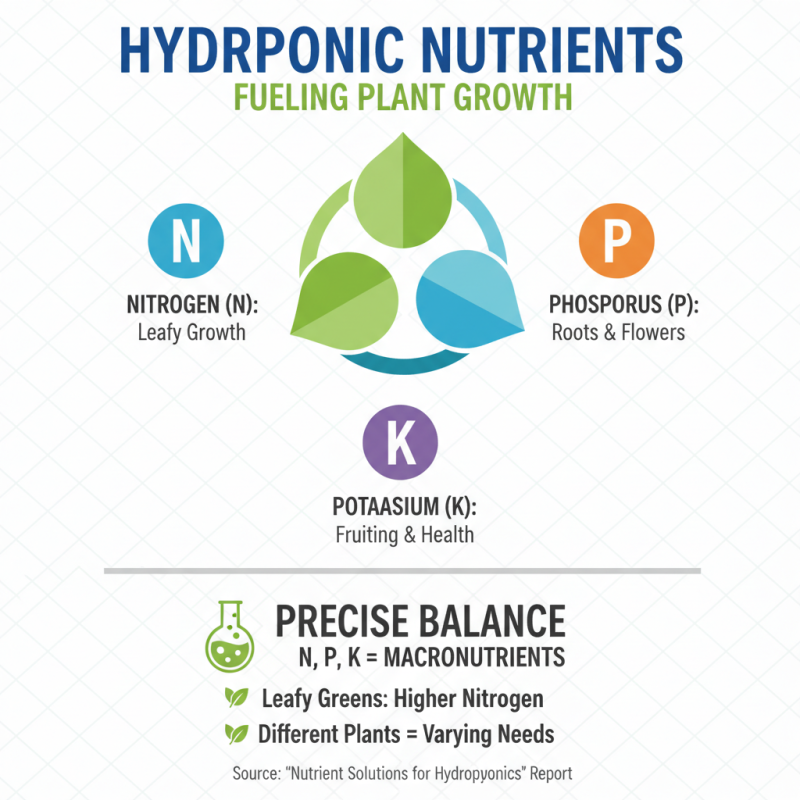
Hydroponic plants thrive on a precise balance of nutrients. Key essential nutrients include nitrogen, phosphorus, and potassium. These macro-nutrients support growth, flowering, and fruit production. According to the "Nutrient Solutions for Hydroponics" report, different plants require varying concentrations. For instance, leafy greens typically prefer higher nitrogen levels. A careful nutrient mix ensures robust and healthy plants.
Micronutrients also play a critical role. Iron, magnesium, and calcium are vital for plant metabolism and development. A study from the Hydroponic Research Institute highlighted that deficiencies can lead to stunted growth. Monitoring pH and EC levels is essential to address potential imbalances. Utilizing tools like nutrient meters can help maintain optimal conditions.
Hydroponic systems can be unforgiving. Over-fertilization may cause toxicity, hindering plant health. Conversely, under-fertilization leads to deficiencies that affect yields. Regular testing and adjusting nutrient solutions can be challenging but necessary. Mastering these elements requires practice and observation. Understanding your specific plants and their needs is fundamental for success.
Maintaining Optimal pH and EC Levels for Healthy Growth
Maintaining optimal pH and EC levels is crucial for your hydro grow system’s success. Plants thrive when these parameters are in balance. A pH level between 5.5 and 6.5 works best. Regularly check your water’s pH. Adjust it using buffers if necessary. Ignoring this can lead to nutrient lockout. Your plants' growth will struggle, and you may face disappointing yields.
EC, or electrical conductivity, measures nutrient concentration. The ideal EC range varies by plant type. For example, leafy greens prefer lower EC levels. Measure this frequently using a conductivity meter. Failure to monitor can result in nutrient deficiencies or toxicities. Remember, adjusting nutrients based on your readings is essential.
Keep in mind that fluctuations in pH and EC can occur due to various reasons, like water source or nutrient changes. Regular checks can help you catch these issues early. You may need to experiment with adjustments to find the best balance for your setup. Each grow can be different, and what worked before may not be perfect now. Staying vigilant requires effort, but it pays off with healthier plants and better yields.
Common Mistakes to Avoid in Hydroponic Gardening for Beginners
Hydroponic gardening can be rewarding, but beginners often make critical mistakes. One common error is neglecting pH levels. Hydroponic plants thrive in specific pH ranges. If levels fluctuate, plants suffer. Regularly check and adjust the pH to maintain balance.
Another mistake is overwatering. While hydro systems use water, too much can drown roots. Ensure your setup has proper drainage. Monitor moisture levels consistently. Plants need oxygen, not just water.
Consider nutritional needs. Many beginners skip feeding schedules. Remember, hydroponics requires nutrient solutions. Use the right ratios and adjust based on plant growth stages. Nutrient deficiencies are easy to overlook but can lead to stunted growth.
Always observe your plants closely. Changes can happen rapidly. Yellowing leaves, wilting, or slow growth are red flags. Making adjustments early can save your crop. Keep learning from your experiences; trial and error is part of the journey.