What Is a High Tunnel Greenhouse and How Does It Work?

A high tunnel greenhouse is a simple crop structure that captures sunlight and protects plants from difficult weather. It usually has a steel frame, plastic covering, roll-up sides, and no permanent heating system. The structure warms the air and soil during daylight. It also reduces damage from wind, heavy rain, and light frost.

Vegetable specialist Vern Grubinger has said, “High tunnels extend the growing season and improve crop quality.” That practical observation explains their appeal. Growers can plant earlier, harvest later, and produce cleaner tomatoes, peppers, leafy greens, and berries. Inside the tunnel, dry leaves stay drier, soil warms sooner, and irrigation becomes more predictable. The results can feel surprisingly different.

However, a high tunnel greenhouse is not a self-managing farm. Temperatures can rise quickly on a sunny spring morning. Roll-up sides may need opening before breakfast. Poor ventilation encourages heat stress and disease. Drip irrigation also requires regular inspection, especially when plants begin fruiting heavily.

This guide explains how the structure works, from solar heat movement to ventilation and crop protection. It also considers placement, soil management, water control, and seasonal maintenance. Some benefits are clear, but not every farm gets the same results. Local wind, snow, drainage, crop choice, and daily labor all matter. A tunnel may extend production, yet it can also expose weak planning. That limitation deserves attention. Real success comes from observing the plants closely and adjusting conditions before small problems become expensive ones.
What Is a High Tunnel Greenhouse and How Does It Work?

What a High Tunnel Greenhouse Is

What a High Tunnel Greenhouse Is

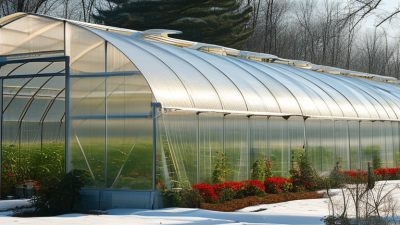
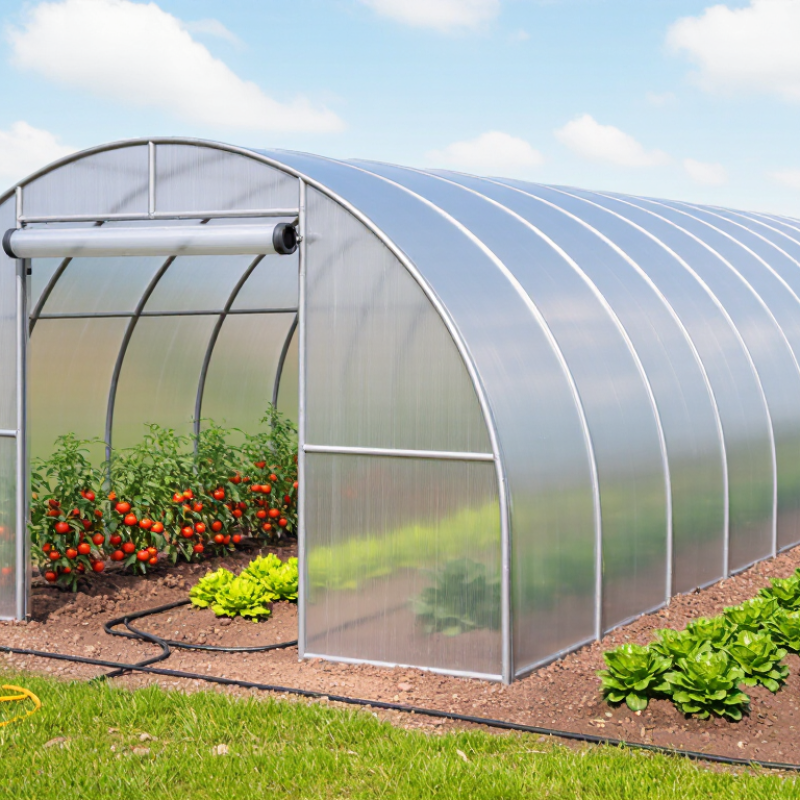
A high tunnel greenhouse is a simple, unheated structure that protects crops from harsh weather. Its rounded frame usually supports a single layer of durable plastic covering. Unlike a conventional greenhouse, it often has no permanent heating system or complex glass walls.

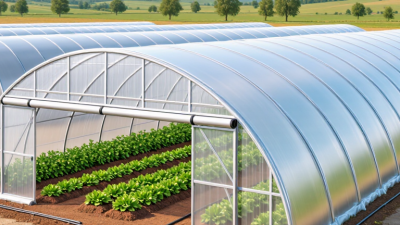
Sunlight warms the air and soil inside during the day. Crops grow directly in raised beds or prepared ground. Roll-up sidewalls and end doors allow fresh air to move through the tunnel.

The structure can extend the growing season in spring and autumn. It also shields plants from heavy rain, strong wind, and light frost. On a cool morning, the soil may feel warmer than the open field outside. Growers can start seedlings earlier and harvest leafy vegetables later.

However, a high tunnel is not maintenance-free. It is easy to underestimate summer heat. A closed tunnel can quickly become too hot for tender plants. Poor anchoring may also cause problems during strong winds.

Regular checks matter. Inspect the plastic, vents, and soil moisture each week. In practice, ventilation often needs adjustment several times daily.

I have found that simple designs work well, but they still require careful observation.

My first assumption was that more heat always meant faster growth. That was not entirely correct. Excess heat and dry soil can reduce plant quality, even under bright sunlight.

The Main Components of a High Tunnel Greenhouse

What Is a High Tunnel Greenhouse and How Does It Work?

The Main Components of a High Tunnel Greenhouse

A high tunnel greenhouse is a simple, unheated structure with a steel or aluminum frame and a flexible plastic cover. Its main purpose is to protect crops from wind, heavy rain, frost, and excessive heat. USDA NRCS Practice Standard 325 identifies high tunnels as conservation systems that can extend the growing season and improve soil management. The frame needs secure ground anchors. Otherwise, one strong storm can turn a useful tunnel into scattered parts.

The cover controls light and temperature, but it is not passive magic. Clear polyethylene usually provides strong light transmission, while reinforced film improves durability. Roll-up sidewalls create cross-ventilation. End walls, doors, and insect screens regulate airflow and pest entry. A USDA NRCS technical report indicates that suitable high-tunnel irrigation management can reduce water use by up to 50 percent. That figure depends heavily on crop choice, soil type, and irrigation habits. Real farms rarely perform perfectly.

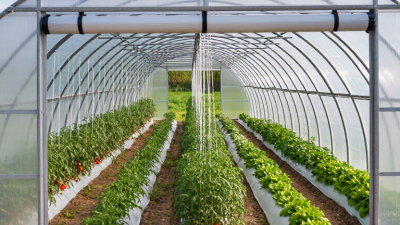
Inside, drip lines deliver water near plant roots and reduce wet foliage. Raised beds improve drainage and keep walking areas defined. Temperature sensors can reveal sharp heat increases before plants wilt. The structure also needs careful spacing for workers, trellises, and harvest carts. USDA Climate Hubs materials describe protected growing as a practical way to manage weather uncertainty and extend production windows. Still, a high tunnel cannot replace good ventilation, soil testing, or daily observation. The overlooked detail is often the weakest component.

How a High Tunnel Greenhouse Works

A high tunnel greenhouse is a simple, plastic-covered structure built over soil. Unlike a heated greenhouse, it usually depends on sunlight and natural airflow. Sunlight passes through the cover and warms the soil, plants, and air inside. At night, the tunnel slows heat loss and protects crops from wind, light frost, and heavy rain.

How a High Tunnel Greenhouse Works

During the day, heat builds under the cover. Roll-up sides, end vents, or doors release extra warmth and moisture. When these openings stay closed, humidity can rise quickly. That may encourage disease, especially around crowded leaves. Growers often check temperature and soil moisture daily. A small thermometer at plant height gives more useful information than guessing from outside. Drip irrigation can deliver water near the roots while keeping foliage dry. Still, ventilation matters. A tunnel is not automatically easier than outdoor growing.

Tips: Open the sides early on warm mornings. Close them before evening temperatures fall. Keep the cover tight and inspect it for tears. Leave enough space between plants for air movement. In my experience, beginners often water too frequently because the surface soil looks dry. Check several centimeters below the surface first. Also, record planting dates, temperatures, and crop problems. Those notes reveal patterns, although they will not prevent every mistake. A high tunnel extends the growing season, but it does not replace careful observation.

How High Tunnels Regulate Growing Conditions

What Is a High Tunnel Greenhouse and How Does It Work?

A high tunnel is a simple, plastic-covered structure that extends the growing season. Unlike a heated greenhouse, it usually depends on sunlight and natural airflow. The cover traps warmth during the day, while the soil stores part of that heat after sunset. This creates a milder space for vegetables, herbs, and flowers. I have found that temperature changes can still be sharp, especially during clear spring nights.

How High Tunnels Regulate Growing Conditions

Ventilation controls heat more effectively than many new growers expect. Roll-up sides and end vents release hot air before plants wilt. Opening them early can prevent excessive humidity and fungal problems. However, closing the sides too quickly may trap moisture around leaves. That mistake is easy to make. Shade cloth can reduce intense summer sunlight, while raised beds improve drainage after heavy rain. Drip irrigation delivers water directly to the root zone and keeps foliage drier. Dark water containers or stone paths can store daytime heat, but they cannot replace frost protection during severe cold. A small thermometer at plant height gives more useful information than guessing from outside conditions.

Tips: Check the tunnel twice daily during changing weather. Open vents before the interior feels uncomfortable. Water in the morning when possible. Record temperature, humidity, and plant response for one week. Your first setting may be wrong, and that is useful information. Adjust gradually instead of changing several conditions at once.

Common Uses and Benefits of High Tunnel Greenhouses

What Is a High Tunnel Greenhouse and How Does It Work?

A high tunnel greenhouse is a simple, unheated structure covered with transparent plastic. Its steel hoops create enough height for people, trellises, and small equipment. Unlike a sealed greenhouse, it relies on sunlight, roll-up sides, and end vents for climate control. That design keeps construction and daily operation relatively manageable.

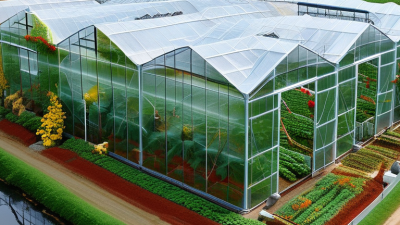
Growers use high tunnels to extend the growing season. Leafy greens can develop weeks earlier in spring. Warm-season crops may continue producing during cool autumn nights. Tomatoes, peppers, cucumbers, herbs, and cut flowers commonly grow under this protection. In rainy areas, the cover keeps foliage drier and can reduce disease pressure. Small farms may also use tunnels for seedling production, crop trials, or direct sales. The space is flexible.

The clearest benefit is better control over weather exposure. Earlier planting can improve harvest timing and market value. Sheltered soil warms faster, while reduced rainfall helps prevent erosion and nutrient loss. A tunnel can also overheat quickly. It needs regular ventilation, irrigation checks, and occasional plastic repairs. In my experience, these daily tasks are easy to underestimate. The structure protects crops, but it does not replace careful observation. Wind, poor drainage, and neglected sidewalls can still damage a promising crop. Temperature records and soil checks make decisions more reliable.

What Is a High Tunnel Greenhouse and How Does It Work? — Common Uses and Benefits
Data Dimension Typical High Tunnel Characteristics How It Works or Why It Matters Common Uses and Benefits
Basic Definition A high tunnel is a simple, unheated growing structure with a frame covered by greenhouse plastic or another translucent material. The covering creates a protected growing environment while sunlight provides most of the heat and light needed by the crops. Useful for extending the growing season without the full equipment and operating cost of a climate-controlled greenhouse.
Typical Structure Usually consists of metal bows or hoops, end walls, sidewalls, doors, anchoring systems, and a plastic covering. The frame supports the covering and protects crops from wind, heavy rain, and some physical damage. Provides a practical sheltered area for vegetables, flowers, herbs, and small fruit crops.
Common Dimensions Many production tunnels are approximately 14–30 feet wide and 48–96 feet long, although dimensions vary by site and purpose. The width and length determine usable growing space, ventilation needs, structural requirements, and installation cost. Small tunnels suit gardens and educational sites; longer tunnels support market gardens and larger-scale production.
Covering Material Commonly uses UV-resistant greenhouse polyethylene film, often around 6 mil thick for seasonal or multiyear use. The translucent cover allows sunlight to enter while reducing exposure to rain, wind, and cold air. Improves crop protection and can reduce weather-related losses. Cover life depends on sunlight, wind, handling, and material quality.
Heating System Most high tunnels do not have a permanent heating system. Solar radiation warms the air and soil during the day, while the structure slows heat loss compared with outdoor conditions. Lower energy use and lower operating costs than heated greenhouses, but winter production may be limited in cold climates.
Ventilation Ventilation is commonly provided by roll-up sidewalls, end-wall openings, doors, or roof vents. Opening the sides or vents releases excess heat and humidity and allows air movement through the tunnel. Helps reduce heat stress, condensation, and disease pressure during warm weather.
Temperature Control Temperature control is mainly passive and depends on sunlight, outdoor temperature, ventilation, crop cover, and thermal mass. Temperatures can rise quickly on sunny days, so regular monitoring and timely ventilation are important. Creates a warmer spring and fall environment, allowing earlier planting and later harvesting in many regions.
Season Extension Depending on climate, crop, and management, a high tunnel can extend production by several weeks in spring and fall. The tunnel reduces exposure to frost, cold wind, and excessive rainfall, but it does not eliminate freezing risk. Supports earlier harvests, later harvests, overwintering of cold-tolerant crops, and more consistent supply.
Water Management The cover keeps most rainfall off the crop beds, so irrigation is normally required. Drip irrigation, microirrigation, or hand watering delivers water directly to the root zone. Improves control of soil moisture and keeps foliage drier, which can help reduce some foliar disease risks.
Crop Protection Provides a physical barrier against rain, hail, strong wind, and some pests, but it is not completely pest-proof. End walls, insect netting, doors, and sanitation practices can improve protection. Particularly useful for tomatoes, peppers, cucumbers, leafy greens, herbs, strawberries, and cut flowers.
Light Conditions Light levels are generally lower than outdoors because the plastic covering and structural components reduce some incoming light. Clear, clean covering and good tunnel orientation help maintain useful light transmission. Supports photosynthesis while reducing direct exposure to harsh weather; dirty or aging plastic can reduce available light.
Humidity and Disease Humidity can become high when ventilation is inadequate, especially after irrigation or overnight cooling. Air circulation, morning irrigation, adequate plant spacing, and prompt removal of diseased material help manage the environment. Can reduce rain-splashed diseases, but poor ventilation may increase problems such as condensation and fungal disease.
Soil and Growing Methods Crops may be grown directly in native soil, raised beds, containers, or soil amended with compost and other approved materials. Protected conditions allow growers to manage planting dates, irrigation, fertility, and crop rotation more precisely. Suitable for intensive vegetable production, specialty crops, demonstrations, and small-scale commercial farming.
Labor Requirements Regular tasks include ventilation, irrigation, crop training, pest scouting, harvesting, sanitation, and covering maintenance. The structure improves control but requires active monitoring because conditions can change rapidly. Can improve crop quality and scheduling, although labor savings are not guaranteed.
Cost Profile Generally less expensive to build and operate than a fully equipped greenhouse because it usually lacks permanent heating, cooling, and automated climate systems. Costs depend on size, foundation or anchoring, covering, doors, irrigation, ventilation, site preparation, and local conditions. Offers a lower-cost entry point for protected agriculture, but repairs and plastic replacement should be included in planning.
Main Limitations Limited automated climate control, potential overheating, irrigation dependence, snow or wind-load concerns, and possible pest buildup. Performance depends strongly on local climate, structural design, site selection, and daily management. Best suited to growers who can monitor conditions and adjust ventilation, irrigation, crop protection, and maintenance as needed.
Note: Dimensions, season-extension results, and crop performance vary with climate, tunnel design, covering condition, site orientation, crop selection, and management practices.