What Is Hydroponic Growing and How Does It Work?

Hydroponic growing produces plants without traditional soil. Instead, roots receive water, nutrients, oxygen, and physical support through a carefully managed system. William F. Gericke, the University of California professor who popularized the term, described hydroponics as “the science of growing plants without soil.” His words remain useful because they capture the method’s central idea.

In practice, a grower may place lettuce in a net pot above a reservoir. A nutrient solution flows across the roots or rises through a growing medium. Some systems use air pumps, while others depend on gravity and water levels. The grower must monitor pH, nutrient strength, temperature, light, and oxygen. Small changes matter. A blocked tube can wilt a crop within hours.

Hydroponic growing can save space and reduce water waste when the system is designed well. It may also support steady production in apartments, greenhouses, and areas with poor soil. However, it is not effortless. Equipment costs money, electricity may be essential, and mistakes can spread quickly through shared water. Beginners often focus on nutrients and overlook root temperature or sanitation. That is a costly lesson.

This guide explains how hydroponic growing works, which systems are most common, and what plants need to thrive. It also examines practical limitations, using clear examples rather than exaggerated promises. Healthy roots, clean water, and patient observation remain the foundation. Technology helps, but it cannot replace attention.
What Is Hydroponic Growing and How Does It Work?

What Hydroponic Growing Means and Why Plants Need No Soil

What Is Hydroponic Growing and How Does It Work?

Hydroponic growing means raising plants without soil. Instead, roots receive water, mineral nutrients, oxygen, and support through a carefully managed system. The plant still needs light, warmth, and enough space to grow.

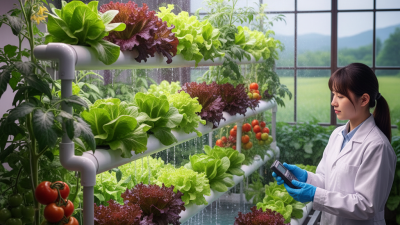
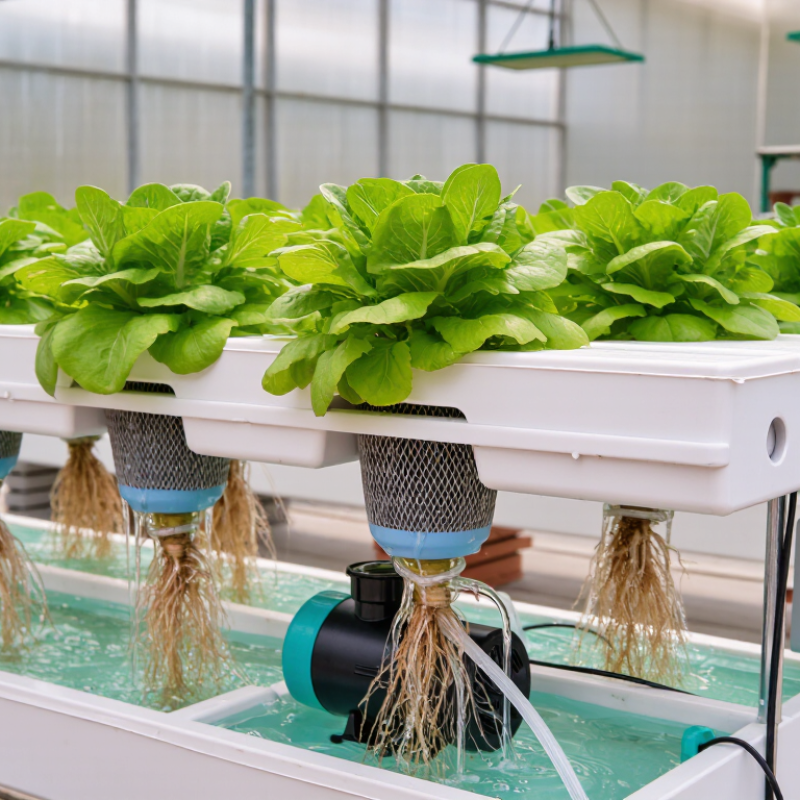
A lettuce plant may sit in a small basket above a water reservoir. Its roots hang into a nutrient solution, while an air pump keeps oxygen moving through the water. Other systems let a thin film of water flow past the roots. Soil is absent, but the soil’s useful functions remain essential. Roots need access to nitrogen, potassium, calcium, and trace minerals. They also need moisture without becoming permanently waterlogged.

The method can use less water because unused solution may return to the reservoir. It also gives growers closer control over nutrition and root conditions. Still, control is not the same as simplicity. A blocked pump, weak light, or incorrect pH can affect plants within hours. Small changes matter. Leaves may curl, pale, or develop brown edges before the problem is obvious.

A practical grower checks water level, pH, nutrient strength, and root color regularly. Healthy roots are usually firm and pale, though exact appearance varies by plant. Clean equipment reduces contamination, but perfect cleanliness is unrealistic. That is worth remembering. Hydroponics removes soil, not responsibility, and plants can still suffer when measurements replace careful observation.

Typical Hydroponic Nutrient-Solution pH Ranges by Crop

Hydroponic plants grow without soil, receiving water, oxygen, and dissolved nutrients directly through their roots. Maintaining the correct pH helps plants absorb essential nutrients efficiently.

Typical target ranges: actual requirements may vary by cultivar, growth stage, nutrient formula, and growing system.

How Water, Nutrients, Light, and Air Support Plant Growth

Hydroponic growing raises plants without soil, but it does not mean plants grow in plain water. Roots receive water, dissolved nutrients, and oxygen through a carefully managed root zone. In a small indoor trial, I watched lettuce roots turn pale when the water stayed warm and still. The leaves drooped before the problem looked serious. That delay taught me to inspect roots, not only foliage.

Water acts as the delivery system, carrying elements such as nitrogen, potassium, calcium, and iron to the roots. Plants need these nutrients in balanced amounts, so growers monitor pH and nutrient strength with reliable meters. A reading alone is not enough. I also check leaf color, new growth, and reservoir temperature because instruments can be misread or poorly calibrated. Fresh water helps, yet changing it too often can waste nutrients and disturb a stable system. The right schedule depends on the crop, container, and local conditions.

Light supplies energy for photosynthesis, while air provides carbon dioxide around leaves and oxygen near the roots. Strong light without enough water can scorch young leaves. Gentle airflow reduces stagnant pockets and helps stems become sturdier, but excessive airflow increases water loss. I once placed a fan too close to seedlings; their edges dried despite a full reservoir. That mistake reminded me that hydroponics is precise, not automatic. Now I compare root color, leaf posture, and water use before adjusting one variable.

The Main Hydroponic Systems and How Each One Delivers Nutrients

Hydroponic growing raises plants without soil, using water to carry dissolved nutrients directly to the roots. The roots still need oxygen, stable moisture, and enough space to develop. A healthy system balances all three.

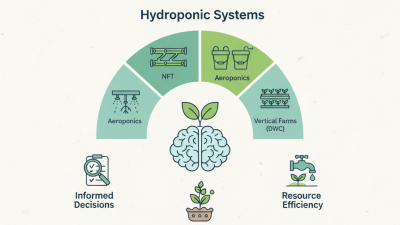
In a wick system, a fabric strip pulls nutrient solution toward the growing medium. It is simple and quiet, but large plants may need more water than the wick can provide. Deep water culture keeps roots in a nutrient reservoir while an air pump supplies oxygen. The method is effective, although power failure can quickly stress submerged roots. In nutrient film technique, a shallow stream flows continuously through sloped channels. Roots touch the moving solution while remaining partly exposed to air. This design uses little water, but blocked channels can interrupt feeding within hours.

Other systems deliver nutrients in different rhythms. Ebb and flow periodically floods the root area, then drains it back into a reservoir. The wet-and-dry cycle encourages both feeding and oxygen exchange.

Drip systems apply measured solution near each plant’s base. They offer precise control, yet emitters can clog from mineral buildup. Aeroponic systems spray a fine mist onto suspended roots. They can promote rapid growth, but require careful timing, clean nozzles, and reliable electricity.

Growers usually monitor pH and electrical conductivity, because clear water does not guarantee balanced nutrition. A practical mistake is assuming stronger fertilizer means faster growth. It may instead burn roots. Small adjustments often work better. Nutrient delivery is mechanical, but plant responses remain uneven.

Step-by-Step: Setting Up and Managing a Hydroponic Garden

What Is Hydroponic Growing and How Does It Work?

Setting up a hydroponic garden begins with choosing a simple system, such as deep-water culture. Use an opaque reservoir, net pots, an air pump, and a stable growing medium. Fill the reservoir with clean water, then add nutrients according to the crop’s growth stage. Most leafy vegetables perform well between pH 5.5 and 6.5. Check pH and electrical conductivity daily during the first week. Small changes matter.

Keep the roots oxygenated and the water temperature moderate. A crowded reservoir can become warm and stagnant. My first reservoir was too warm. Growth slowed, and the roots looked brown. I learned to measure conditions instead of trusting appearance. Provide consistent light, usually 14 to 16 hours daily, while maintaining gentle airflow around the leaves. Remove dead roots quickly, and clean the reservoir between crop cycles. Do not ignore algae; light entering the nutrient solution encourages it.

Hydroponics can reduce water waste, but results depend on the design and operator. FAO’s AQUASTAT data reports that agriculture accounts for about 70% of global freshwater withdrawals, making careful water management important. Closed systems may reuse much of their water, although evaporation and plant uptake still require replacement. Record pH, nutrient strength, temperature, and plant height in a simple log. Commercial market projections are useful, but they cannot replace local testing. Weather, water quality, and mistakes still shape the harvest.

What Is Hydroponic Growing and How Does It Work? — Step-by-Step: Setting Up and Managing a Hydroponic Garden

Stage or Dimension Key Principle Recommended Data or Range Practical Action Management Notes
Definition Soilless plant cultivation Plant roots receive water, oxygen, and dissolved nutrients without agricultural soil. Use an inert or low-nutrient growing medium such as clay pellets, perlite, rockwool, or coco coir. The growing medium mainly supports the plant and helps retain moisture; it does not replace the nutrient solution.
How It Works Controlled root-zone delivery Water and nutrients are delivered directly to the root zone through a reservoir, channel, or timed irrigation system. Choose a system that provides consistent moisture while allowing sufficient air around the roots. Healthy roots require both water and oxygen. Constant saturation without aeration can cause root stress.
System Selection Common hydroponic designs Deep Water Culture, Nutrient Film Technique, Drip Irrigation, Ebb and Flow, and Wick Systems. Select based on crop size, available space, budget, power access, and desired automation level. Deep Water Culture is relatively simple for leafy greens, while larger fruiting plants often need stronger support and irrigation control.
Crop Selection Match plants to the system Leafy greens and herbs generally have shorter production cycles; tomatoes, peppers, and cucumbers require more space and support. Start with compact, fast-growing crops before expanding to large fruiting plants. Crop size, root volume, flowering period, and nutrient demand affect reservoir capacity and maintenance requirements.
Container and Reservoir Light-proof and food-safe construction Use an opaque reservoir that prevents light from reaching the nutrient solution. Install a lid or plant support, keep the reservoir covered, and provide enough volume for stable water conditions. Light entering the reservoir encourages algae growth. Leave sufficient air space when using an air pump and air stone.
Water Quality Start with suitable water Measure source-water pH and electrical conductivity before adding nutrients. Use clean water and account for its mineral content when preparing the nutrient solution. Hard or highly mineralized water can alter nutrient balance and may require treatment or a modified nutrient program.
Nutrient Solution pH Maintain nutrient availability Most crops: pH 5.5–6.5 Test the solution regularly and adjust gradually using appropriate pH-adjustment products. Different crops have different preferences. Avoid making large corrections at one time.
Electrical Conductivity Monitor nutrient concentration Common operating range: approximately 0.8–2.5 mS/cm, depending on crop and growth stage Use an EC meter and follow a crop-specific nutrient schedule rather than applying a universal concentration. Seedlings usually need weaker solutions, while mature fruiting plants may tolerate or require higher EC levels.
Water Temperature Protect root health Generally about 18–22°C for many indoor hydroponic crops Keep the reservoir away from heat sources and direct sunlight; monitor temperature during warm periods. Warmer water holds less dissolved oxygen and can increase stress and the risk of root problems.
Oxygenation Supply dissolved oxygen Important for systems where roots remain in or near the nutrient solution. Use an air pump and air stone when appropriate, and check that bubbles are produced consistently. In systems without active aeration, design the flow and drainage cycle to expose roots to air.
Lighting Provide adequate photosynthetic light Many indoor crops receive about 12–16 hours of light per day Position the light according to its output and the crop’s growth stage; provide a regular dark period. Light intensity varies by crop and equipment. Watch plants for stretching, bleaching, leaf scorch, or excessive heat.
Air and Humidity Support transpiration and disease prevention Use gentle air movement and avoid persistently saturated, stagnant air. Provide ventilation and spacing between plants so leaves can dry and air can circulate. Environmental targets should be adjusted for crop type and growth stage; excessive humidity increases disease risk.
Seedling Preparation Establish healthy roots Transplant when seedlings have a stable root system and several true leaves. Moisten the starter medium, place the seedling securely, and avoid damaging delicate roots. Do not allow young roots to dry out during transfer. Gradually introduce seedlings to stronger light and nutrients.
Daily Checks Detect problems early Inspect water level, pump operation, root appearance, plant posture, and visible pests. Record observations and correct equipment or environmental issues promptly. Healthy roots are typically firm and light-colored, although exact appearance varies by crop and growing medium.
Weekly Checks Maintain stable conditions Measure pH, EC, water temperature, and reservoir volume at regular intervals. Top up with suitable water or prepared nutrient solution according to the measurements and crop needs. Frequent small corrections are usually easier to manage than allowing values to drift for long periods.
Reservoir Change Refresh the nutrient solution Many growers replace the solution approximately every 1–2 weeks, depending on crop demand and water stability. Drain the old solution, clean the reservoir, prepare fresh solution, and recheck pH and EC. A shorter interval may be necessary when the solution becomes cloudy, contaminated, imbalanced, or unusually warm.
Cleaning Reduce contamination Clean reservoirs, tubing, air stones, channels, and tools between crop cycles or when buildup appears. Remove plant debris and mineral deposits using a suitable cleaning method, then rinse thoroughly. Avoid leaving cleaning residues in the system. Follow safe handling instructions for any sanitation product.
Plant Support Manage crop structure Large or fruiting plants may need stakes, trellises, clips, or other support. Install support before plants become heavy and guide stems without restricting growth. Good support improves light distribution and helps prevent stems, branches, or fruit from contacting wet surfaces.
Harvest Timing Harvest according to crop maturity Leafy greens can often be harvested by individual leaves; fruiting crops are harvested when color, size, and firmness indicate maturity. Use clean tools and harvest during a cooler part of the day when practical. Regular harvesting can encourage continued production in suitable herbs and leafy crops.
Common Warning Signs Identify environmental or nutrient problems Yellowing, curling, wilting, slow growth, algae, odor, or discolored roots can indicate a system issue. Check pH, EC, temperature, oxygenation, lighting, water flow, and root condition before changing several variables. Make one controlled adjustment at a time whenever possible so the cause of improvement or decline can be identified.

Common Crops, Benefits, and Challenges of Hydroponic Growing

What Is Hydroponic Growing and How Does It Work?

Common Crops, Benefits, and Challenges of Hydroponic Growing

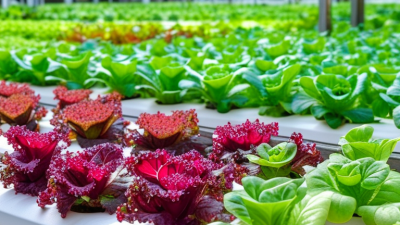
Hydroponic growing produces plants without traditional soil. Their roots sit in water, mist, or an inert medium. A nutrient solution supplies nitrogen, potassium, calcium, and other essential elements. Air pumps may add oxygen to the root zone. This controlled method can support lettuce, basil, spinach, cucumbers, and strawberries. These crops grow relatively quickly and need limited space. Leafy greens are especially suitable for beginners.

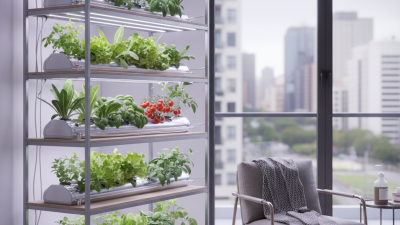
Hydroponics can reduce water use because systems often recirculate the same solution. Plants may also grow faster when light, temperature, and nutrients remain stable. In a small indoor setup, fresh lettuce can be harvested repeatedly from the same area. The roots stay clean, making inspection easier. However, growth is not automatically better. Poor lighting produces weak stems, even when nutrients are balanced. That detail is easy to underestimate.

The main challenges are electricity, equipment costs, and daily monitoring. Growers should check pH and nutrient strength regularly. Many crops perform well around pH 5.5 to 6.5, but requirements vary. A failed pump can dry roots within hours. Root diseases may spread quickly through shared water. I initially viewed hydroponics as simple, but small mistakes became visible fast. A clogged pipe, warm reservoir, or neglected measurement can damage an entire crop. Careful records help, although they do not prevent every failure.