What is Shade Cloth for Greenhouse Benefits and Uses?
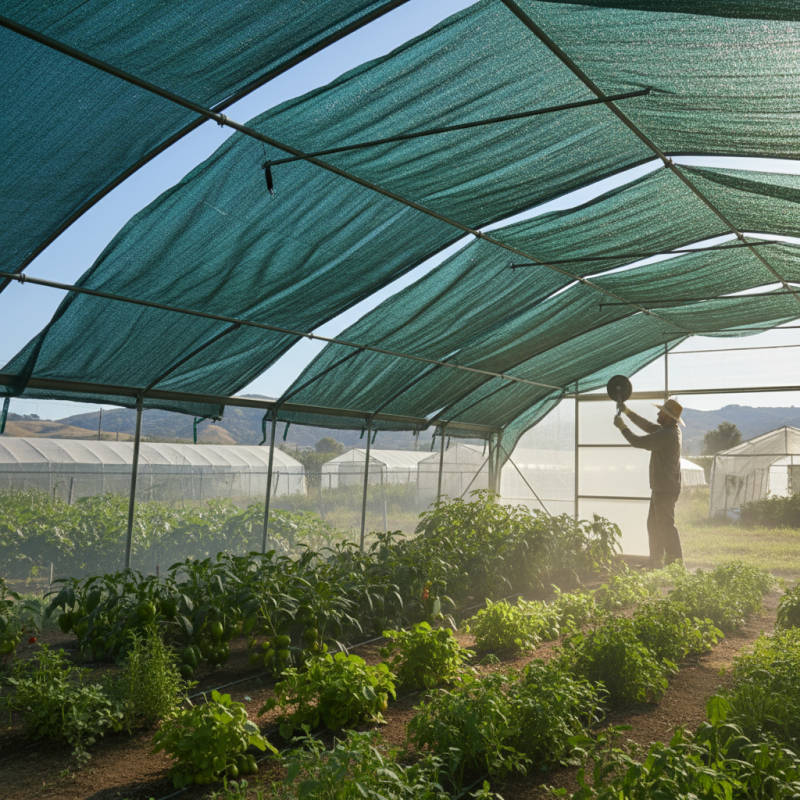
Shade cloth for greenhouse plays a crucial role in protecting plants. It regulates sunlight and insulates the environment. With the right shade cloth, farmers can enhance plant growth and efficiency.
Greenhouses can trap heat. This can stress plants. Shade cloth mitigates this risk. It allows the right amount of light while keeping temperatures manageable. Specific fabrics block harmful UV rays. This not only protects crops but also extends their lifespan.
Choosing the right shade cloth is essential. Different plants have various light needs. Some require more shade, while others thrive in brighter conditions. It can be tricky to find the perfect balance. Yet, investing in quality shade cloth for greenhouse can lead to fruitful results.
What is Shade Cloth and Its Role in Greenhouses
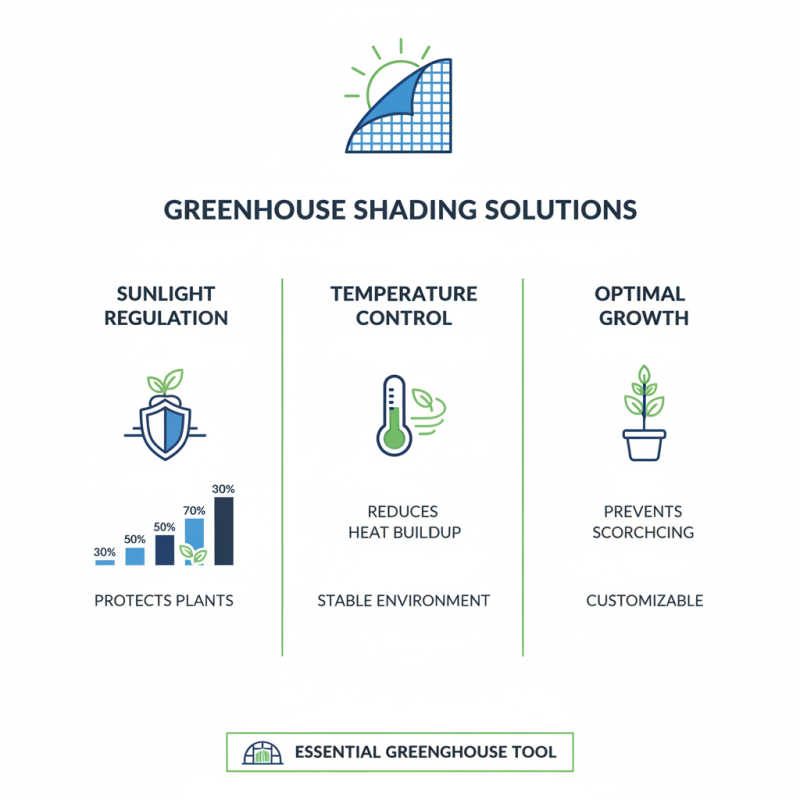
Shade cloth is an essential tool in greenhouse management. It serves multiple purposes, primarily protecting plants from excessive sunlight. With various shading percentages available, growers can select the right cloth for their specific needs. This cloth can prevent heat buildup in a greenhouse, creating a more stable environment.
In warmer months, direct sunlight can be harsh on young plants. Too much light can lead to sunburn, stunted growth, or even death. Shade cloth helps to filter this light, mitigating these risks. The fabric allows some light to penetrate while blocking harmful rays. Moreover, it aids in temperature regulation, keeping the greenhouse cooler.
Using shade cloth requires careful consideration. Choosing the right percentage is crucial. Too much shade may stunt growth, while too little can still harm delicate plants. It's a balance that needs testing and observation. Each greenhouse is unique, and adaptation is key to maximizing benefits.
Benefits of Using Shade Cloth for Plant Growth in Greenhouses
Shade cloth is essential for greenhouse management. It provides a controlled environment for plants. Proper shading can significantly enhance plant growth and productivity. According to a report from the American Society for Horticultural Science, shade cloth can improve crop yields by up to 30%. This is crucial for maximizing the return on investment in greenhouse operations.
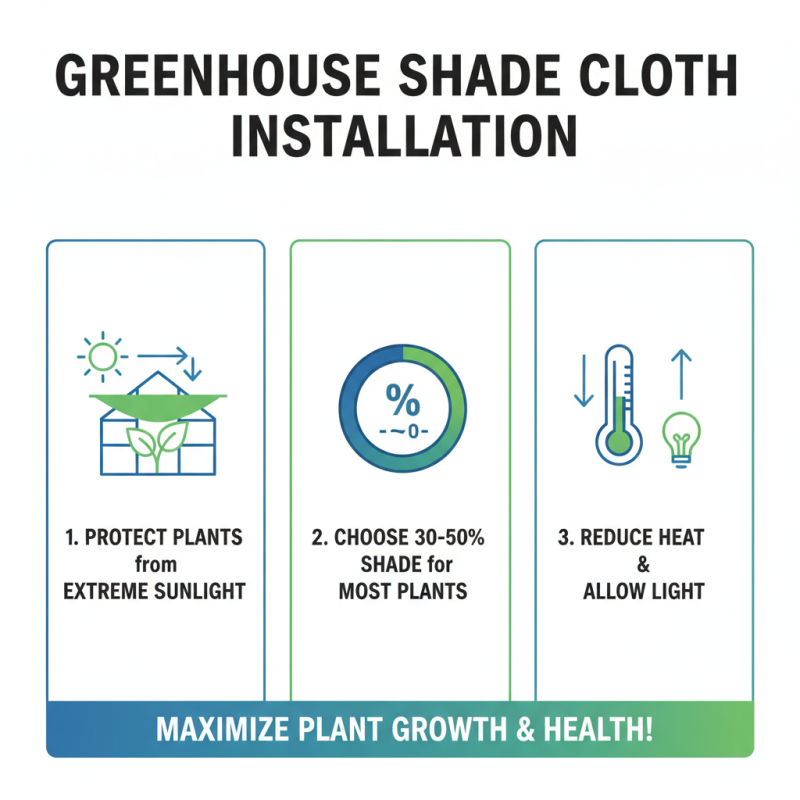
Plants require balanced light for photosynthesis. Excessive sunlight can lead to heat stress and reduced growth rates. Shade cloth mitigates these issues by filtering sunlight. It regulates temperature and protects plants from harmful UV rays. Research shows that shade levels of 30% to 50% enhance the growth of delicate crops like lettuce and herbs. These crops thrive when not exposed to intense sunlight conditions.
However, using shade cloth is not without its challenges. Incorrect shading can lead to underexposure to light. Some growers may not achieve the desired light balance. This can hinder growth instead of supporting it. Careful assessment of each crop's needs is vital to avoid such pitfalls. Observing plants' responses over time can help refine shading strategies for optimal results.
What is Shade Cloth for Greenhouse Benefits and Uses?
| Benefit |
Description |
Use Case |
| Temperature Regulation |
Helps to maintain optimal temperatures for plant growth by blocking excess sunlight. |
Used in hot climates to protect sensitive plants. |
| UV Protection |
Reduces the harmful effects of UV rays on plants. |
Beneficial for growing seedlings and young plants. |
| Pest Control |
Acts as a barrier to deter certain pests from reaching the plants. |
Ideal for organic farming practices. |
| Water Conservation |
Reduces evaporation rates, helping to conserve water. |
Useful in regions with limited water supply. |
| Enhanced Growth |
Promotes healthier plant growth by providing the right light intensity. |
Commonly used in greenhouses for various crops. |
Different Types of Shade Cloth Available for Greenhouse Use
Shade cloth is essential for greenhouse operations. It helps regulate light exposure, which is crucial for plant health. There are various types of shade cloth, each serving a unique purpose. The fabric's density is one of the most important factors. Light-transmitting materials can block from 30% to 90% of sunlight.
For instance, 30% shade cloth is useful for delicate seedlings. In contrast, 50% cloth is often used for mid-season crops. Crops like tomatoes thrive under 50% shades, minimizing heat. A report from the Greenhouse Grower magazine indicates that shaded environments can increase yield by 10-20% in certain plants.
Another type is the 70% shade cloth, advisable for varieties that require protection from intense sunlight. This level of shading helps in temperature control. It might seem counterintuitive, but without adequate shade, some crops could suffer stress. A study revealed that shaded plants exhibited growth benefits, yet improper placement can lead to light deprivation, affecting those same plants negatively. Hence, trying different options before settling on one can make a difference.
Benefits of Using Shade Cloth in Greenhouses
This chart illustrates the various benefits provided by shade cloth in greenhouses, including light reduction, temperature control, UV protection, water savings, and pest control. Each benefit is represented by a percentage, showcasing its relative importance for greenhouse management.
Factors to Consider When Choosing Shade Cloth for Your Greenhouse
When selecting shade cloth for your greenhouse, several factors should be considered. First, the percentage of shade cloth is crucial. Typical options range from 30% to 90% shade coverage. A report from the National Center for Appropriate Technology suggests that 50% shade cloth is optimal for most crops. Understanding your plants’ specific needs can help you avoid over-shading or under-shading.
Another factor is cloth material. UV resistance is essential for durability and effectiveness. Materials like woven polypropylene often outperform others in durability. Additionally, consider the fabric's breathability. A study published in the Journal of Horticulture found that breathable shade cloth improved air circulation and reduced heat buildup. This is strong data suggesting ecological efficiency.
Placement of shade cloth matters too. Incorrect positioning can lead to inconsistent light levels. Many growers mistakenly install cloth too close to plants, which can obstruct airflow. An ideal setup hangs 12 inches above the plants. This spacing can minimize moisture accumulation and fungal growth. Each of these aspects requires careful thought to maximize the benefits of shade cloth for your greenhouse.