How to Start Hydroponic Gardening at Home for Beginners?
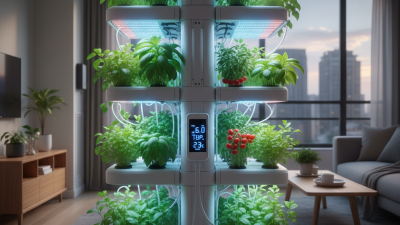
Hydroponic gardening at home offers a unique way to grow plants without soil. This method utilizes water and nutrients to support plant life. It appeals to many beginners due to its simplicity and efficiency. You can cultivate a variety of plants, including herbs and vegetables, right in your kitchen or living room.
Starting hydroponic gardening at home can seem overwhelming at first. There are numerous systems and techniques to choose from. It's easy to get lost in the details. For instance, you might wonder about the right nutrient mix or light conditions. Even small mistakes can lead to disappointing results. However, learning through these trials is part of the process.
Each step is a chance to improve your skills. Take your time understanding the needs of your chosen plants. Monitor their growth closely. It's normal for beginners to face challenges like adjusting pH levels or managing water circulation. Embrace the journey and enjoy watching your plants thrive.
Understanding Hydroponics: The Basics for Beginners
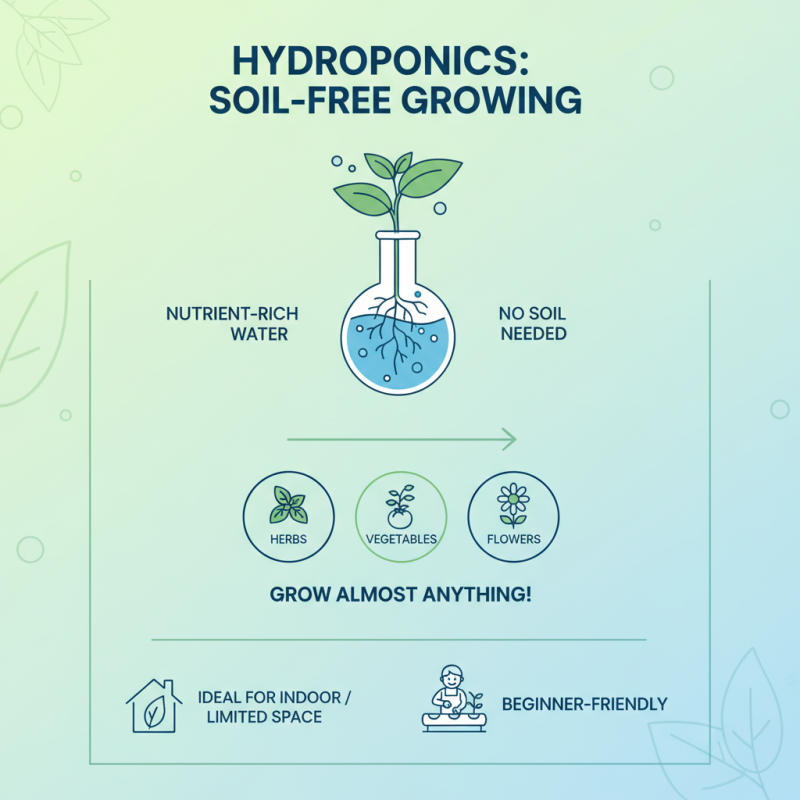
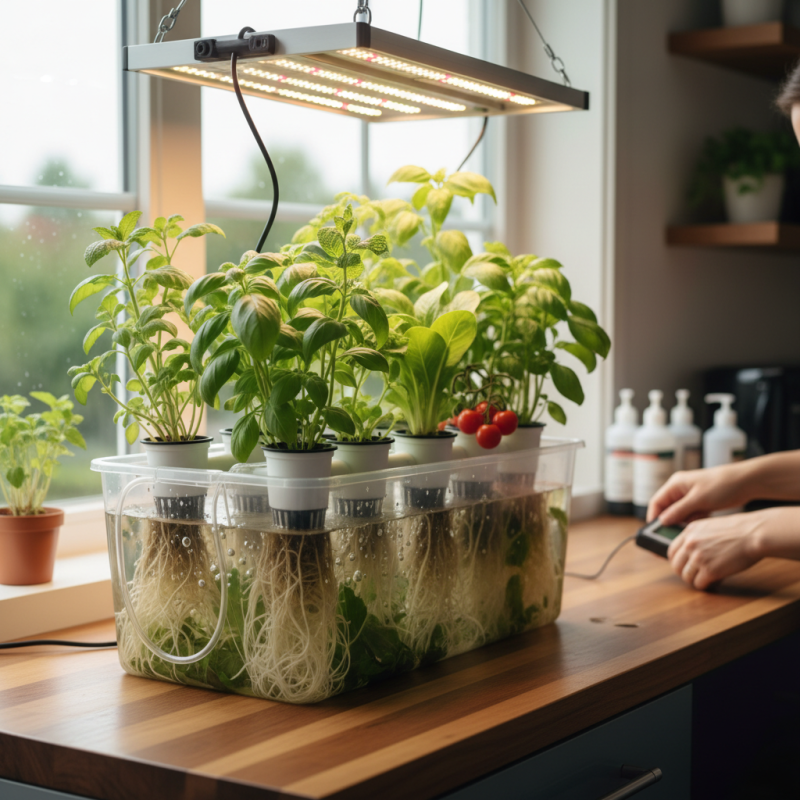
Hydroponics is a way to grow plants without soil. Instead, it uses nutrient-rich water to nourish the plants. This method can be ideal for beginners with limited space. You can grow herbs, vegetables, and even flowers indoors.
Understanding the basics is crucial. You need to know about light, water, and nutrients. Plants require proper light for photosynthesis. You can use natural sunlight or artificial grow lights. Water needs to be clean and balanced. It’s important to monitor pH levels. This can be tricky at times. You might need to adjust it frequently.
Another key aspect is choosing the right system. There are different types, like deep water culture or nutrient film technique. Each has its pros and cons. Beginners might feel overwhelmed when selecting one. Start small; don’t aim for a huge garden right away. It’s a learning process. Mistakes will happen. They can teach you valuable lessons in hydroponic gardening.
Choosing the Right Hydroponic System for Your Home Garden
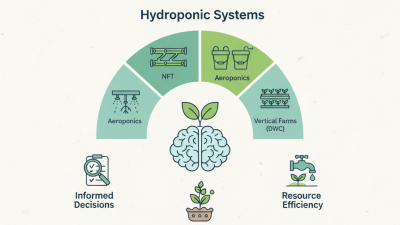
Choosing the right hydroponic system for your home garden can seem overwhelming. There are various types available, each with distinct benefits. Deep Water Culture (DWC) systems are popular among beginners. They provide direct access to nutrient-rich water, making plant growth rapid. Nutrient Film Technique (NFT) is another option. It uses a thin film of water that flows through the plant roots. This system is great for leafy greens.
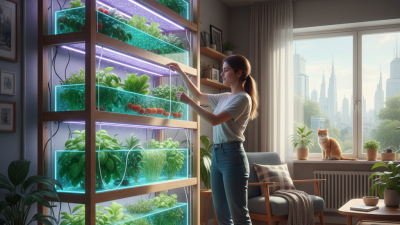
When selecting a system, consider your space. A vertical setup can maximize limited areas. Some systems can be set up indoors, while others require more light. You might also reflect on your budget. Some systems are more expensive initially. However, they may save money in the long run. You will need to purchase growing media and nutrients, so plan ahead.
Maintenance is key. Regularly check pH levels and nutrient concentrations. A simple mistake can affect your plants. Hydroponics is less forgiving than soil gardening. If you miss a detail, such as water temperature, plants can suffer. Don't let initial failures discourage you. Every gardener faces challenges. Focus on learning and adapting for future successes.
Hydroponic Gardening: Popular Systems and Their Ease of Use
Essential Equipment and Supplies for Hydroponic Gardening
Starting hydroponic gardening at home requires essential equipment and supplies. A basic hydroponic system includes a reservoir, growing medium, and a pump. You can use various systems like deep water culture or nutrient film technique. According to industry reports, hydroponics can yield up to 30% more produce than traditional soil gardening. This makes it a popular choice among urban gardeners.
Growing medium is crucial. Options like rockwool, clay pellets, or coconut coir provide support for plants while retaining moisture. However, selecting the right medium can be a challenge. Not all mediums retain nutrients equally. Test a few to find what works best for your plants.
Tips: Begin with lettuce or herbs. They are easier for beginners. Keep track of the pH levels. Ideal pH for most hydroponic plants is between 5.5 and 6.5. Regularly monitor nutrient levels as well. A common mistake is adding too much fertilizer, which can harm your plants. Start small and learn from your experiences. Mistakes provide valuable lessons in this gardening journey.
Selecting the Best Plants for Hydroponic Growth
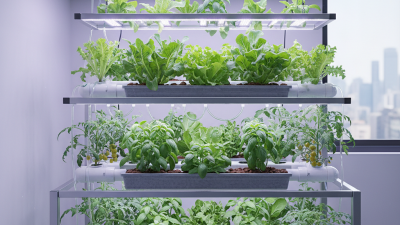
When starting hydroponic gardening, choosing the right plants is crucial. Leafy greens like lettuce and spinach thrive in hydroponic systems. These plants grow quickly and don’t need much space. Basil and mint are other great options. They add freshness to meals and are easy to grow.
Some beginners might struggle with determining what plants to start with. It's essential to consider light and space requirements for each plant. Herbs can flourish in smaller setups, while larger plants need more room. Be cautious with plants like tomatoes; they require more attention and may not yield as well for newcomers.
Experimenting is part of the journey. Sometimes, plants don’t grow as expected. You might lose a few seedlings along the way. It can be frustrating and may lead to overthinking. Learning from each attempt will eventually lead to a flourishing garden.
Maintaining Your Hydroponic Garden: Tips and Best Practices
Maintaining a hydroponic garden requires attention and care. Regular checks on pH levels are crucial. Aim for a pH between 5.5 and 6.5. If you notice fluctuations, adjust it quickly. This will keep your plants healthy.
Nutrient solutions should be refreshed every two weeks. Remember, over-fertilizing can harm your plants.
Temperature is another key factor. Ideal temperatures range from 65°F to 75°F. Monitor the environment, especially during changing seasons. If it's too hot or too cold, your plants may stress. Use grow lights appropriately. They should mimic sunlight without overheating your plants.
Take time to observe your plants daily. Look for yellowing leaves or wilting. These could indicate problems. Don't hesitate to research common pests. Prevention is better than cure. Cleaning your system regularly helps. Build good habits to ensure a thriving garden. Each failure is a lesson. Learn from them and adapt your methods for better results.