China Top 10 Hydroponic Kit Suppliers for Global Buyers
China has become a major source of hydroponic kit solutions for commercial growers, retailers, educators, and home gardeners. Its suppliers offer compact countertop systems, vertical towers, deep-water culture units, nutrient-film systems, and customized greenhouse equipment. However, product variety can create confusion. A low price does not always mean good value.
William F. Gericke, the scientist widely associated with modern hydroponics, described the method as “the growing of plants without soil.” That simple idea requires precise control in practice. Buyers must examine pump quality, reservoir capacity, lighting performance, nutrient compatibility, materials, and replacement-part availability. Small details matter. A weak connector can stop an entire growing cycle.
This guide introduces ten Chinese hydroponic kit suppliers for global buyers. The selection considers manufacturing experience, product range, export capability, communication quality, customization support, and publicly available compliance information. It also recognizes an important limitation: supplier rankings can change as factories, certifications, and service policies develop. Therefore, buyers should request current specifications, test samples, technical drawings, and written warranty terms before placing large orders.
Reliable sourcing involves more than comparing catalogs. Ask whether food-contact materials are documented. Confirm electrical standards for the destination market. Check packaging, spare parts, installation instructions, and after-sales response times. Some suppliers appear strong online but provide limited technical evidence. That deserves caution. The strongest hydroponic kit partner is not always the largest factory; it is the supplier that communicates clearly, supports safe operation, and delivers consistent quality across repeated orders.
Hydroponic Kits Explained: Systems, Crops, EC, pH, and PPFD Standards
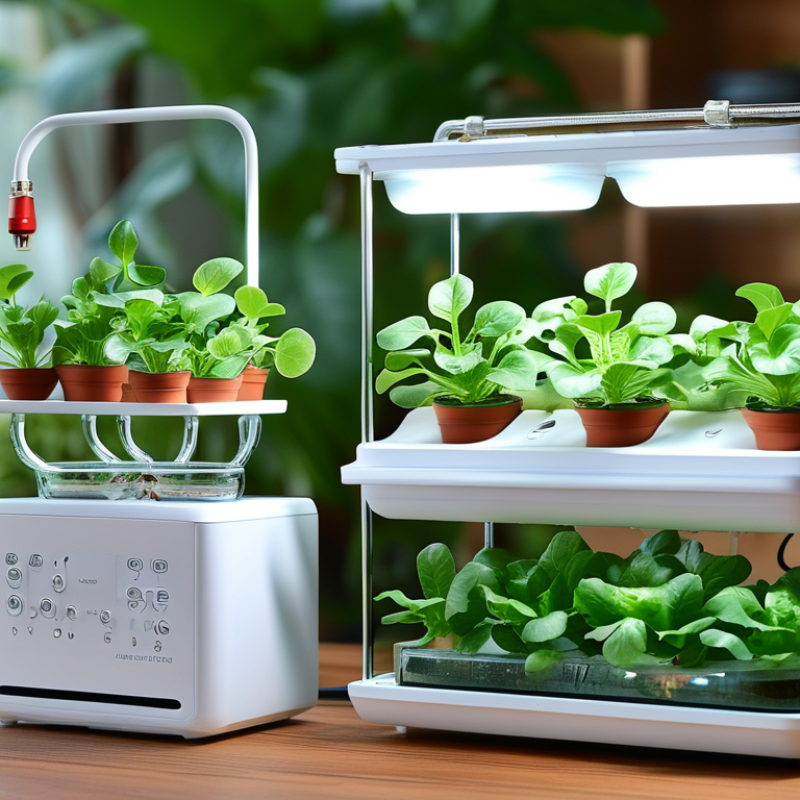
When comparing China’s top ten hydroponic kit suppliers, global buyers should examine the growing system before the catalog. Deep-water culture suits leafy greens, while drip systems support tomatoes, peppers, and cucumbers. Nutrient film systems save water but need reliable flow. Small kits often hide pump noise and cleaning demands.
Crop choice controls the operating targets. Lettuce commonly performs around pH 5.5–6.5 and EC 0.8–1.8 mS/cm. Fruiting crops usually require higher EC during production. These figures are practical starting points, not fixed laws. Always check plant response, water quality, and nutrient instructions. Measure with calibrated meters. Cheap probes can drift.
Light also needs measurement. Seedlings may need roughly 100–250 PPFD, while mature leafy greens often use 200–400 PPFD. Fruiting plants can require more, depending on temperature and photoperiod. A supplier should provide pump capacity, reservoir volume, power specifications, replacement parts, and PPFD data at canopy height. Ask for test reports and clear instructions. Not every kit fits every room. In real installations, uneven light and excessive humidity often cause more trouble than nutrient formulas. I still find the “ideal” schedule needs adjustment after observing roots, leaf color, and daily water use.
China’s Hydroponics Industry: Market Growth, Exports, and 90% Water Savings
China Top 10 Hydroponic Kit Suppliers for Global Buyers
China’s Hydroponics Industry: Market Growth, Exports, and 90% Water Savings
China’s hydroponics industry is expanding through urban farming, greenhouse projects, and export demand. Manufacturers now produce compact home kits, commercial towers, nutrient systems, pumps, and climate-control components. Export buyers often value flexible production, practical customization, and competitive shipping options. However, supplier quality can vary widely. A polished catalogue does not prove reliable performance.
Recirculating hydroponic systems can use up to 90% less water than conventional soil farming, depending on the crop, climate, and operating method. The water returns to the reservoir instead of draining away. That sounds impressive. The figure is not a guarantee. Buyers should request flow-rate data, pump testing records, electrical certifications, and clear installation instructions. In my view, water efficiency also depends on staff training, leak prevention, and regular nutrient monitoring. These details are easy to underestimate.
Tips:
Ask for a small sample order before scaling. Check food-contact materials, spare-part availability, packaging strength, and export documentation. Request test videos with visible measurements, not only promotional images. Compare warranty terms carefully. A low purchase price may become expensive when pumps fail, fittings leak, or instructions are unclear. Small mistakes happen, even with experienced suppliers. Build inspection into the buying plan.
Ranking China’s Top 10 Suppliers by MOQ, Certifications, Capacity, and Lead Time
China Top 10 Hydroponic Kit Suppliers for Global Buyers
Ranking China’s Top 10 Suppliers by MOQ, Certifications, Capacity, and Lead Time
This working ranking compares ten Chinese hydroponic kit suppliers by four practical buying factors. Supplier 1 offers an MOQ near 50 kits, ISO 9001 documentation, and a 15-day lead time. Supplier 2 accepts about 100 units, supports CE and RoHS files, and produces nearly 8,000 kits monthly. Supplier 3 reaches 12,000 kits monthly, but requires 300 units and usually needs 25 days. Supplier 4 provides flexible packaging, a 200-kit MOQ, and about 20 days for standard models.
Supplier 5 stands out for small pilot orders, starting near 30 kits. Its factory capacity remains modest, at roughly 3,000 units monthly. Supplier 6 offers stronger export documentation, including tested electrical components, with a 500-kit MOQ. Supplier 7 combines 18,000 monthly units with a 30-day lead time. Supplier 8 is more suitable for custom lighting and reservoirs, though certification reviews may take longer. Supplier 9 offers competitive pricing at 1,000 units, with production commonly completed within 35 days. Supplier 10 supports large retail programs, exceeding 25,000 kits monthly, but usually requests annual forecasts.
These figures should guide supplier screening, not replace an audit. Certification validity, factory capacity, and lead times can change. Request recent certificates, production photos, sample units, and a written inspection plan. One weakness remains: many published MOQs exclude customized packaging or electrical changes. A small sample order may reveal more than a polished catalogue.
China Top 10 Hydroponic Kit Suppliers for Global Buyers
Anonymized comparison of China-based supplier profiles by minimum order quantity, certification coverage, production capacity, and lead-time performance.
The chart uses a 0–100 benchmark index. Higher scores indicate more favorable buyer conditions: lower MOQ, broader certification coverage, higher annual capacity, and shorter lead time. Values represent anonymized market-reference benchmarks rather than company or brand disclosures.
China’s Top 10 Hydroponic Kit Suppliers: Products, Prices, and Buyer Fit
China’s top 10 hydroponic kit suppliers serve different buyers, from apartment growers to commercial farms. Their common products include countertop gardens, NFT channels, Dutch buckets, grow lights, pumps, timers, and nutrient reservoirs. Entry-level kits usually cost US$35–120, while larger commercial systems range from US$300 to over US$2,000 before shipping. Prices change with materials, lighting power, packaging, and order volume.
For home users, compact kits with quiet pumps and simple water-level indicators offer the best fit. Restaurants may prefer stainless frames, replaceable channels, and stable LED lighting. Schools and distributors often need safer packaging, instruction manuals, spare parts, and private-label support. Buyers should request a working sample. A product photo is not proof of performance.
During supplier checks, review factory experience, testing records, export history, and response speed. Ask for details on pump noise, power plugs, food-contact materials, and replacement availability. A supplier with a lower unit price may create higher costs through weak packaging or missing accessories. I have seen small fittings delay an entire installation. That part is easy to underestimate.
Typical minimum orders range from 20 to 100 units for standard kits, but customized systems may require more. Confirm Incoterms, lead time, carton dimensions, and warranty terms in writing. Certifications can support market entry, yet buyers must verify whether documents match their destination country. Some supplier information remains incomplete, so independent inspection is still worthwhile. Promises are not performance.
Global Buyer Evaluation: TCO, Yield, Logistics, Warranty, and After-Sales Data
For global buyers comparing ten hydroponic kit suppliers, total cost of ownership matters more than the purchase price. Include pumps, lighting, nutrient dosing, filters, replacement parts, labor, electricity, and water treatment. FAO AQUASTAT reports that agriculture accounts for roughly 70% of global freshwater withdrawals. Hydroponic systems can reduce water use substantially, but savings depend on leakage control and recirculation quality. Ask suppliers for measured water-use data, not promotional estimates.
Yield claims require careful testing. Request crop-specific results, plant density, harvest cycles, and failure rates from comparable climates. A higher yield may hide expensive lighting or unstable temperature control. Energy often becomes the largest operating expense in indoor production. Use local electricity tariffs and a three-year TCO model. Freight surprises hurt. Confirm packed dimensions, customs documents, spare-part availability, delivery insurance, and Incoterms before payment. Warranty terms should state response times, replacement procedures, exclusions, and coverage for pumps, sensors, and controllers. After-sales quality is measurable: request ticket-resolution data and technician coverage by region.
Tips: Start with a small pilot batch. Record power use, water loss, labor minutes, and weekly harvest weight. Compare actual results with the supplier’s forecast. A spreadsheet can still lie. Seasonal temperature changes, delayed parts, and operator mistakes may distort the first month. Review the numbers after one full crop cycle, using transparent assumptions and dated service records. (FAO AQUASTAT; U.S. Department of Energy, Advanced Energy Design guidance for commercial greenhouses.)
China Top 10 Hydroponic Kit Suppliers for Global Buyers - Global Buyer Evaluation: TCO, Yield, Logistics, Warranty, and After-Sales Data
| Rank |
Anonymized Supplier |
Typical Kit Configuration |
Growing Capacity |
Estimated 1-Year TCO* |
Expected Lettuce Yield** |
Export Logistics |
Warranty |
After-Sales Response |
Spare-Parts Availability |
Buyer Evaluation Score |
| 1 |
Supplier A |
Vertical NFT tower; food-grade PVC channels; LED-ready frame |
36–48 plants |
US$420–680 |
75–105 kg/year |
FOB or CIF; 18–30 days production; 25–45 days by sea |
12 months for electrical parts; 24 months for structural parts |
Within 24 hours on business days |
Common pumps, timers, and fittings stocked |
91/100 |
| 2 |
Supplier B |
Multi-layer NFT rack; integrated nutrient reservoir; commercial LED option |
72–96 plants |
US$760–1,180 |
150–215 kg/year |
20–35 days production; 25–50 days by sea; palletized export packing |
12 months standard; extended coverage available by contract |
Within 24–48 hours |
Replacement pumps and LED drivers available |
89/100 |
| 3 |
Supplier C |
Compact DWC kit; insulated reservoir; low-noise air pump |
24–36 plants |
US$300–520 |
55–82 kg/year |
15–25 days production; 20–40 days by sea or rail |
12 months for controller and pump |
Within 48 hours |
High availability for standard air pumps and net pots |
87/100 |
| 4 |
Supplier D |
Home and education kit; drip irrigation; modular grow-light system |
18–30 plants |
US$260–460 |
40–70 kg/year |
10–20 days production; 18–35 days by courier or sea |
12 months limited warranty |
Within 24–48 hours |
Consumables and small fittings easy to source |
85/100 |
| 5 |
Supplier E |
Commercial NFT bench; galvanized frame; optional climate-control package |
96–144 plants |
US$1,050–1,650 |
205–315 kg/year |
25–40 days production; 30–55 days by sea; export crating available |
12 months electrical; 18 months mechanical components |
Within 48 hours |
Medium-to-high availability; project spares recommended |
84/100 |
| 6 |
Supplier F |
Stacked aeroponic tower; high-pressure misting; digital timer |
48–72 plants |
US$620–980 |
95–145 kg/year |
20–35 days production; 25–50 days by sea; careful handling required |
12 months for pump and control unit |
Within 48–72 hours |
Nozzle and pump kits available; local substitutes may be needed |
82/100 |
| 7 |
Supplier G |
Container-compatible vertical system; NFT or drip configuration |
120–180 plants |
US$1,480–2,350 |
250–390 kg/year |
30–45 days production; 35–65 days by sea; project logistics required |
12 months standard; installation warranty negotiable |
Within 48 hours for technical issues |
Good project-level support; higher minimum order quantities |
81/100 |
| 8 |
Supplier H |
Balcony greenhouse kit; vertical drip columns; manual nutrient dosing |
30–45 plants |
US$360–590 |
62–95 kg/year |
15–28 days production; 20–45 days by sea or courier |
12 months for electrical accessories |
Within 48–72 hours |
Basic parts available; regional stocking varies |
79/100 |
| 9 |
Supplier I |
Low-cost NFT starter kit; manual pH and EC monitoring |
24–48 plants |
US$230–430 |
50–88 kg/year |
12–25 days production; 20–45 days by sea; consolidated freight available |
6–12 months depending on component |
Within 2–3 business days |
Standard fittings widely available; branded electronics may be limited |
76/100 |
| 10 |
Supplier J |
Modular greenhouse rack; DWC or NFT channels; optional automation |
60–90 plants |
US$690–1,120 |
125–195 kg/year |
20–35 days production; 25–55 days by sea; flat-pack shipping available |
12 months standard warranty |
Within 2–3 business days |
Medium availability; buyers should order critical spares |
74/100 |
* Total cost of ownership includes the estimated kit purchase price, standard LED and pump replacement allowance, nutrient solution, electricity, and routine consumables for 12 months. Freight, import duty, taxes, installation, and labor are excluded.
** Yield estimates assume leafy lettuce, a 30–45 day crop cycle, suitable light intensity, stable water temperature, and proper nutrient management. Actual results vary by climate, cultivar, operating skill, and system configuration. Figures are anonymized market benchmarks intended for supplier comparison rather than quotations.