How to Start Hydroponic Farming at Home
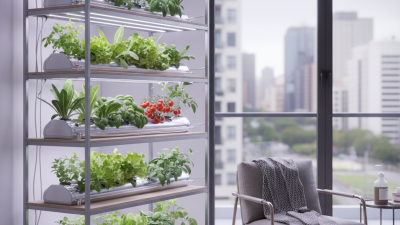
Hydroponic farming at home can turn a sunny window, balcony, or spare corner into a productive growing space. Instead of soil, plants receive water, oxygen, and carefully measured nutrients through a controlled system. Leafy greens, herbs, and some compact vegetables are suitable for beginners. They grow quickly and provide visible feedback when conditions change.
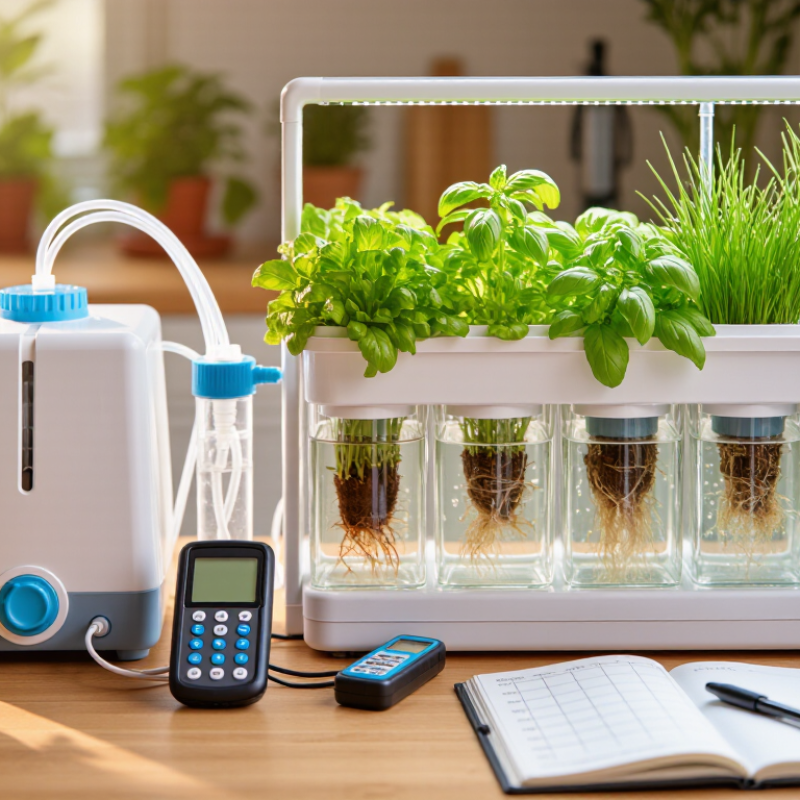
A practical setup usually needs a reservoir, growing containers, a light source, an air pump, and a reliable nutrient solution. Clean water matters. So does measuring pH and electrical conductivity with accurate meters. Most plants prefer stable conditions, not constant adjustment. Keep the root zone oxygenated, check water levels several times weekly, and remove damaged leaves promptly. A simple growing log can record light hours, nutrient strength, temperature, and plant growth.
The first system may not look elegant. That is normal. Small leaks, algae, weak seedlings, or uneven lighting can appear during early attempts. These problems are useful signals, not reasons to quit. Experienced growers improve results by changing one factor at a time and observing the response. Food safety also deserves attention. Use clean equipment, safe water, and nutrients labeled for edible crops. Follow product directions rather than guessing. Agricultural extension services, horticultural research, and manufacturer instructions can provide dependable guidance. With patience and careful observation, home growers can build a system that is practical, efficient, and easier to manage over time.
Understanding the Basics of Home Hydroponic Farming
Home hydroponic farming means growing plants without soil, using water, nutrients, light, and support media. The roots receive a carefully measured nutrient solution. Common systems include deep-water culture, nutrient film technique, and drip irrigation. For beginners, a small deep-water container is easier to observe and clean. Start small.
A basic setup needs a covered reservoir, an air pump, net pots, inert growing media, and a reliable light source. Leafy greens usually tolerate simpler conditions than fruiting crops. Keep the solution near the crop’s preferred pH, often about 5.5 to 6.5, and check it several times weekly. Nutrient strength also matters. Too much fertilizer can burn roots, even when leaves look healthy. I would record water temperature, pH, and plant growth, because memory is unreliable. My first setup would probably be overmanaged, then adjusted after real observations.
Water efficiency is a major reason people study hydroponics. The Food and Agriculture Organization reports that agriculture accounts for roughly 70% of global freshwater withdrawals, although estimates vary by region and method (FAO, AQUASTAT). Hydroponic systems can reduce water losses by recirculating unused solution, but they are not automatically sustainable. Electricity for lighting, pumps, and climate control can change the environmental balance. A 2023 review in Horticulturae also notes that nutrient monitoring and disease prevention strongly affect controlled-environment results. Weak sanitation remains an easy mistake. Clean tools, covered reservoirs, and prompt removal of damaged roots are practical safeguards.
Choosing a Suitable Hydroponic System and Growing Space
Starting hydroponic farming at home begins with an honest look at your available space. A bright windowsill can support herbs, but leafy greens need steadier light. Measure the area, ceiling height, and water access before choosing equipment. Keep the system near a grounded electrical outlet, away from dripping hoses. A spare corner works well. It does not need to look perfect. In my first setup, I underestimated airflow and saw weak stems within two weeks. A small fan and wider spacing improved growth, although the noise became annoying.
For beginners, a simple deep-water or ebb-and-flow system is easier to inspect than a complicated vertical design. Choose equipment that lets you check roots, nutrient levels, and water temperature easily. Dark, covered reservoirs can help limit algae growth. Use reliable meters, and record readings several times each week. Follow crop-specific guidance instead of guessing nutrient strength. Lettuce prefers cooler conditions, while basil usually needs more warmth and light. Avoid placing plants beside a hot window or radiator. Power failures are another practical concern. A backup plan may protect the roots, but small systems can often be checked manually. I once overpacked a growing tray, and several plants became crowded. More plants did not mean more food. Leave room for pruning, cleaning, and mistakes. That allowance matters.
Gathering Equipment, Nutrients, Seeds, and Growing Media
Starting hydroponic farming at home begins with practical equipment, not expensive decoration. Choose an opaque reservoir, a small air pump, an air stone, net pots, tubing, and a timer. A simple light meter can prevent weak growth near a window. Keep electrical connections above possible leaks.
That detail matters.
Use clean, food-safe containers and test water before adding nutrients. Most leafy crops prefer a nutrient solution near pH 5.5–6.5, while electrical conductivity should match the crop and growth stage. Begin with a mild concentration. Stronger is not always better.
The FAO AQUASTAT database reports that agriculture accounts for about 70% of global freshwater withdrawals, so careful reuse and monitoring are valuable.
However, never reuse cloudy solution without checking for disease or salt buildup.
Buy fresh, untreated seeds suited to indoor production. Lettuce, basil, and mustard greens are forgiving choices. Choose growing media that holds moisture but still leaves air around the roots, such as inert fiber, clay pellets, or clean perlite. Avoid garden soil; it compacts and can introduce pests.
Research by Barbosa and colleagues in the 2015 International Journal of Environmental Research and Public Health found hydroponic lettuce used 13–20 times less water than conventional production.
That figure is encouraging, but home results vary. My own planning would leave extra space for tangled roots, uneven light, and forgotten reservoir checks. A small notebook helps expose those mistakes.
Setting Up the System and Planting the First Crops
A home hydroponic garden needs a clean, stable place with nearby water and electricity. Choose a system that fits your space, such as a deep-water container or a simple drip setup. Keep electrical connections above the waterline. Test the water before adding nutrients. Most leafy crops prefer a mildly acidic solution, usually around pH 5.5 to 6.5. Follow the nutrient instructions carefully, because stronger is not always better. I once overfed young seedlings and watched their leaf tips turn brown within days.
Start small. Lettuce, basil, and leafy greens usually tolerate beginner mistakes better than fruiting plants. Use clean net pots and a growing medium that holds moisture without staying flooded. Place one seed in each opening, then cover it lightly. Keep the medium damp during germination, not soaked. A gentle light should sit close enough for strong growth, but not so close that leaves feel hot.
Watch the roots and leaves daily. Healthy roots look pale and firm, while dark, slippery roots may signal poor oxygen or stagnant water. Check the water level and refill it with clean water when needed. Record pH, nutrient strength, and plant changes in a notebook. This feels tedious. It prevents guessing later. Do not crowd the seedlings; good airflow reduces disease pressure. If growth becomes weak, change one factor at a time, because several quick adjustments can hide the real problem.
How to Start Hydroponic Farming at Home: Time to First Harvest
These are typical approximate days from transplanting healthy seedlings into a home hydroponic system to the first harvest. Leafy greens and herbs usually mature faster than kale, making them practical choices for a beginner’s first crop.
Managing Water, Light, Nutrients, and Plant Health
Starting hydroponics at home becomes manageable when water, light, nutrients, and plant health receive daily attention.
I prefer a small, clean system near a bright window, though sunlight can change sharply across the week. Use filtered or tested tap water when possible. Measure pH and nutrient strength with simple meters, rather than trusting appearance. Most leafy greens tolerate slightly acidic water, often around pH 5.5 to 6.5. Check readings before adding anything. A strong solution can damage roots faster than a weak one. Keep the reservoir covered, cool, and free from dead leaves. I once ignored a cloudy film for several days. Root tips turned brown. That mistake taught me to inspect the water, not just the leaves.
Plants need steady light, but more is not always better.
Provide a consistent daily schedule and keep the light close enough for growth, without creating hot, bleached leaves. Rotate containers if one side stretches toward the window. Watch new leaves for clues. Pale growth may suggest insufficient light or nutrition, while curled edges can signal heat or salt buildup. Healthy roots should look firm and pale, with no sour smell. Remove damaged leaves with clean scissors and improve airflow around crowded stems. Check water level each day, then replace the solution regularly instead of endlessly topping it up. I still find this step easy to postpone. A simple notebook helps record pH, water changes, light hours, and visible changes. If readings shift suddenly, pause feeding and investigate the roots, temperature, and equipment.