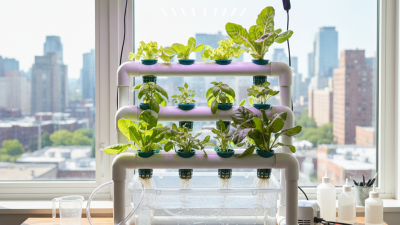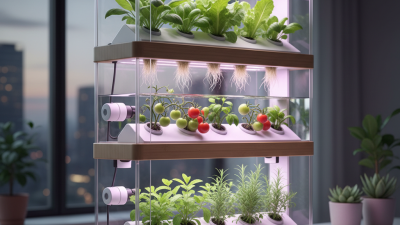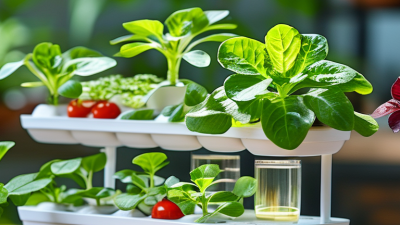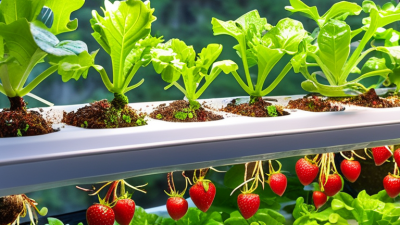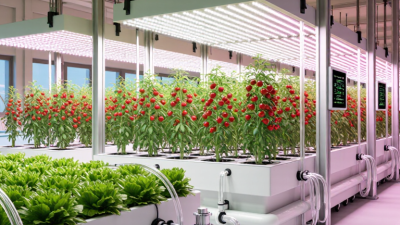
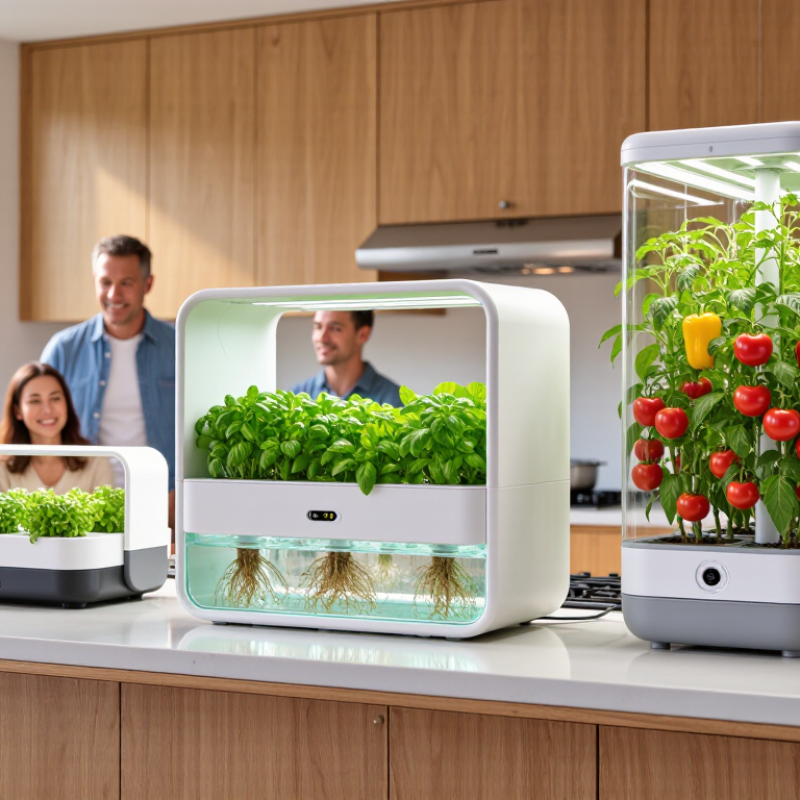
Choosing among home hydroponic systems can feel confusing, especially when every product promises faster growth and easier maintenance. A compact countertop unit may suit basil and lettuce. A larger vertical system may support tomatoes, peppers, and stronger lighting. The right choice depends on your space, budget, time, and growing goals.
Dr. Bernard Kratky, known for developing a simple passive hydroponic method, offered a useful principle: “No electricity is needed.” His approach reminds beginners that complexity is not always progress. Pumps, sensors, apps, and automated dosing can save effort, but they also create more points of failure. A loose cable or clogged air stone can quickly affect plant health.
This guide presents 10 practical tips for choosing the best home hydroponic systems. It considers reservoir size, lighting quality, noise, cleaning access, nutrient control, replacement parts, and long-term operating costs. These details matter beside a kitchen window, where heat, splashing water, and limited outlets can shape daily use.
Look closely.
A trustworthy system should provide clear instructions, stable materials, and realistic harvest expectations. Independent reviews and manufacturer support also deserve attention. Still, no system removes responsibility. Plants need observation, and beginners may misread yellow leaves or slow roots. I have found that simple systems often encourage better habits, although that is not universally true. Personal space and patience can change the result. Careful comparison helps you choose equipment that fits real life, not just an attractive product photograph.
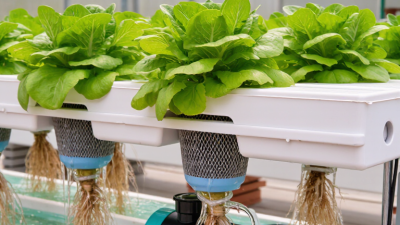
A home hydroponic system grows plants without soil. A pump moves nutrient-rich water through the root zone. The roots absorb minerals directly. They also need oxygen. Keep it moving.
The reservoir stores water, while tubing controls its path. Deep-water systems suspend roots above an aerated solution. Drip systems deliver nutrients slowly to each plant. Nutrient film systems use a thin flowing layer. Each design changes noise, cleaning effort, and failure risk. A practical choice should include an accessible reservoir, stable lighting, and simple pH and EC monitoring.
Water efficiency is a major advantage. The FAO reports that agriculture uses about 70% of global freshwater withdrawals. A peer-reviewed study by Barbosa and colleagues found hydroponic lettuce used roughly 13 times less water than conventional production. Results vary widely. Leaks, evaporation, and poor maintenance can erase those gains. The system is not automatically efficient.
Choose a setup that matches your daily routine. Check whether roots can be inspected without dismantling everything. Look for overflow protection and a backup plan for pump failure. Clean algae from exposed surfaces. Replace nutrient solution according to crop needs, not a rigid calendar. I would not trust impressive savings claims without knowing the crop, climate, and measurement method. Sweet basil may thrive quickly, while fruiting plants demand stronger support, longer lighting, and closer nutrient control.
Choosing a home hydroponic system starts with the space you actually have, not the system that looks most impressive. A sunny kitchen windowsill suits a passive wick system for basil, mint, or small lettuce. It needs little equipment and makes almost no noise. However, growth can be slower, and the reservoir still needs regular checking. Small spaces matter.
For a spare corner, deep water culture offers strong results with a simple bucket, net pot, and air pump. It works well for leafy greens, but the pump adds noise and depends on electricity. A vertical nutrient film technique system uses narrow channels, so it fits beside a wall or balcony railing. It saves floor space. Yet, uneven installation can stop nutrient flow, and roots may dry quickly during a power outage.
Larger rooms can accommodate an ebb-and-flow system with trays and a timer. Flooding and draining support several plants, although the equipment becomes heavier and more difficult to clean. A drip system suits fruiting plants, such as compact tomatoes, because it delivers nutrients directly to each container. Leaks are possible. I once underestimated that risk. Check connections twice. For reliable home growing, monitor water level, pH, and nutrient strength, but avoid chasing perfect numbers every day. Consistency usually matters more than complicated adjustments.
The chart compares representative space requirements for common home hydroponic systems supporting approximately 4–12 plants. Smaller systems such as Kratky and deep water culture are suitable for shelves or countertops, while drip and ebb-and-flow systems generally require more floor space and vertical clearance.
Evaluating Lighting, Water, Nutrients, and Growing Capacity
I have learned that lighting often determines whether a hydroponic garden thrives or stretches weakly. Choose adjustable full-spectrum lights with enough coverage for your expected plant area. Check intensity, not only wattage; leafy greens usually need less light than fruiting plants. Set a timer, then watch the leaves. Too much light can bleach them. My first setup ran too brightly, and I noticed the mistake late.
Water quality deserves equal attention. Test the source water before adding nutrients, especially if it smells strongly of chlorine or leaves mineral deposits. A reliable system should make water changes simple, not messy. Monitor pH and electrical conductivity with calibrated meters. Small daily checks prevent larger problems. Keep roots oxygenated with steady circulation, but avoid harsh flow that damages young roots.
Nutrients should match the crop and growth stage. Follow measured ratios instead of guessing by color or taste. Growing capacity also matters: count planting sites, reservoir volume, and the space between mature plants. A compact unit may look efficient but become crowded quickly. I prefer extra room for airflow, because cramped leaves invite moisture problems. Consider noise, cleaning access, replacement parts, and power use before buying. A system that looks advanced can still be inconvenient. Test one crop first. That may expose weaknesses sooner.
Choosing a home hydroponic system involves more than counting plant sites. Maintenance, safety, and daily usability often determine whether your garden survives.
Tip 1: Inspect access points before buying. The pump, filter, and reservoir should be easy to reach without dismantling the entire unit. Look for smooth surfaces and removable parts. Hidden corners collect algae quickly. A weekly cleaning routine should feel manageable, not like repairing equipment. Check whether replacement filters and tubing are clearly specified.
Tip 2: Treat safety as a practical requirement. Keep electrical connections above the waterline, and choose a stable frame that will not wobble when the reservoir is full. Food-safe materials matter because roots and nutrient water remain in contact with the system. Follow the supplied instructions and local electrical guidance. Add a spill tray if the unit sits on wood flooring. Small leaks become expensive.
Tip 3: Test ease of use through ordinary tasks. Can you see the water level clearly? Can you adjust lighting without tools? Clear instructions, readable measurements, and simple nutrient mixing reduce mistakes. Automated features may help, but they can also hide problems. A sensor can fail. Check plants yourself. I would also leave extra time for cleaning; this is the part many beginners underestimate. A system may look elegant online, yet feel awkward beside a kitchen sink.
Choosing the right home hydroponic system starts with your budget and growing goals. A small countertop unit may cost less and suit herbs, lettuce, or a sunny kitchen corner. Larger systems require stronger lighting, pumps, nutrients, and more cleaning time. Start small.
I recommend calculating the full monthly cost before buying equipment. Include electricity, replacement filters, growing media, seeds, and nutrient solution.
LED lights can support reliable growth, but they may increase your power bill. Check the system’s wattage and estimate its weekly operating hours. Leave extra room in your budget for unexpected repairs.
Your goals should guide the system’s design. Choose deep channels or larger containers if you want tomatoes or peppers. These plants need more root space, support, and patience. A simpler setup works better for quick leafy greens.
I once focused too much on harvest size and underestimated daily maintenance. That mistake changed my planning.
Look for adjustable light height, easy water access, and washable parts. Food-safe materials matter, especially when growing edible crops. Measure your available space carefully.
A system that blocks a window or crowds a counter can become frustrating quickly. Keep a small record of water levels, plant growth, and electricity use.
Those notes reveal whether the system truly fits your household.