What Is a Hydroponic System and How Does It Work?

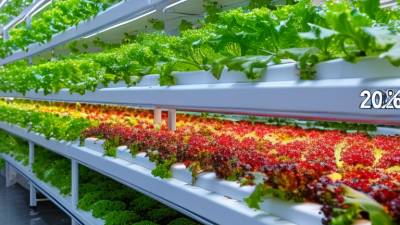
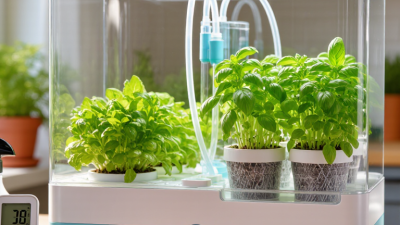
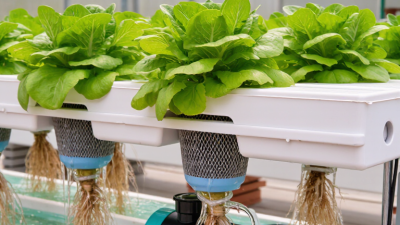
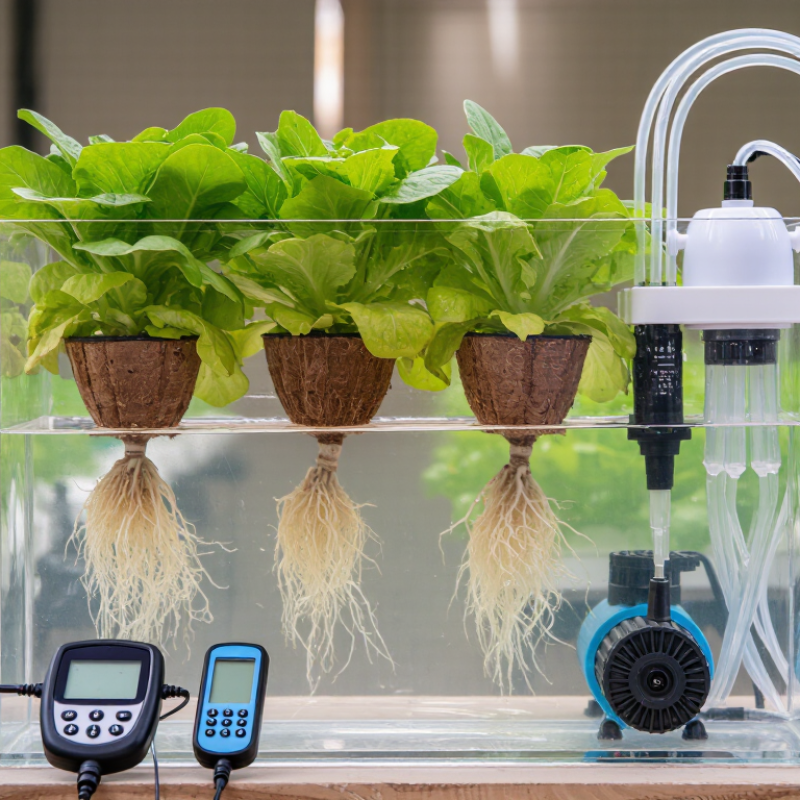
A hydroponic system grows plants without soil, using water to deliver nutrients directly to their roots. Instead of searching through earth, roots may hang in a dark reservoir or rest in a lightweight medium such as coco coir. Picture lettuce roots gently touching a moving nutrient solution while a small pump hums nearby. The setup looks simple, but successful growth depends on careful control.

Plants still need water, oxygen, light, nutrients, and suitable temperatures. In a hydroponic system, growers measure factors such as pH and electrical conductivity to keep nutrients available. Common designs include deep-water culture, nutrient film technique, drip irrigation, and ebb-and-flow systems. Each design manages water and oxygen differently. A weak pump or blocked line can quickly stress the roots. Sometimes, the smallest component causes the largest problem.

This guide explains how these systems work, how plants receive essential elements, and why root oxygen matters. It also considers practical issues, including cleaning, electricity use, maintenance, and crop selection. Hydroponics is efficient in some settings, especially where soil quality or space is limited. It is not a magical shortcut. Beginners may underestimate monitoring, while experienced growers can still misread plant symptoms. Reliable results come from observation, measurement, and steady adjustments. The goal is not merely to grow plants without soil, but to understand the conditions that keep them healthy.
What Is a Hydroponic System and How Does It Work?

Definition and Core Principles of Hydroponic Systems

What Is a Hydroponic System and How Does It Work?

Definition and Core Principles of Hydroponic Systems

A hydroponic system grows plants without agricultural soil. Their roots receive water, oxygen, and dissolved nutrients directly. Common systems use inert media, such as rockwool, coco fiber, or expanded clay, for physical support.

The core principle is controlled root-zone management. A pump moves nutrient solution through channels, containers, or misting chambers. Growers monitor pH, electrical conductivity, temperature, and dissolved oxygen. These measurements guide nutrient strength and irrigation timing. Leafy greens may need frequent, shallow circulation. Fruiting crops often require stronger support and stricter climate control.

Water efficiency is a major reason for adoption. The Food and Agriculture Organization reports that agriculture accounts for about 70% of global freshwater withdrawals. A 2023 review in Frontiers in Plant Science found that hydroponic systems can reduce water use substantially, although results vary by crop, design, and climate. Some studies report reductions above 80% compared with soil cultivation. The figure is not universal.

In practice, a poorly balanced system can damage roots within hours. Low oxygen may cause browning and slow growth. Excess nutrients can create salt stress. I have found that simple systems are easier to inspect, yet they still demand daily attention. Hydroponics is precise, but not effortless. Power failures, clogged emitters, and inaccurate sensors can quickly change the root environment.

Essential Components of a Hydroponic Growing Setup

What Is a Hydroponic System and How Does It Work?

Essential Components of a Hydroponic Growing Setup

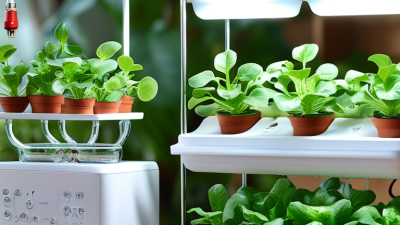
A hydroponic system grows plants without soil. Roots receive water, oxygen, and dissolved nutrients directly. The core setup includes a reservoir, water pump, growing channels, and support media. An air stone can increase dissolved oxygen. Grow lights replace sunlight when natural light is limited. Timers regulate lighting and irrigation cycles. pH and EC meters help monitor acidity and nutrient strength. These tools are small, but they prevent expensive mistakes.

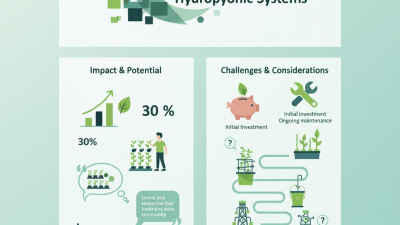
The design also needs ventilation, filtration, drainage, and cleanable surfaces. FAO AQUASTAT reports that agriculture accounts for nearly 70% of global freshwater withdrawals. Recirculating hydroponics can reduce water loss, but leaks and evaporation still matter. The USDA’s 2019 Census of Horticultural Specialties recorded about $891 million in U.S. hydroponic food-crop sales. That figure shows growing commercial interest, not guaranteed profitability. Electricity, maintenance, and crop failures remain real costs. The setup is not foolproof.

Tips: Check pH and EC at the same time each day. Keep roots moist, never submerged without oxygen. Clean the reservoir weekly. Use a separate thermometer near the root zone. I would not trust one reading alone; sensors drift, and plants sometimes reveal problems first. Yellow leaves, weak stems, or slow growth may signal poor airflow, nutrient imbalance, or insufficient light. Small observations often matter.

How Water, Nutrients, Light, and Oxygen Support Plant Growth

A hydroponic system grows plants without field soil. Their roots receive water, dissolved nutrients, light, and oxygen through a controlled setup. Some systems keep roots suspended in solution, while others use coco fiber, clay pellets, or another inert medium. Water carries essential elements directly to the root zone. It must remain clean and balanced. Growers commonly check pH and nutrient strength with simple meters. A small imbalance can cause pale leaves, slow growth, or damaged roots.

Light powers photosynthesis, so plants need a consistent daily schedule. Natural sunlight can work, but indoor growers often use adjustable grow lights above the canopy. Too much intensity may bleach leaves. Too little creates thin, stretched stems. Roots need oxygen too. An air pump, moving water, or a shallow flow can improve dissolved oxygen. Warm, stagnant water often becomes troublesome. In practice, I have found that roots may look healthy one day and decline quickly after oxygen falls. Plant responses are not always predictable, which makes regular observation important.

Tips: Keep the reservoir covered to limit algae growth. Check water temperature, pH, and nutrient strength several times each week. Clean pumps and tubing before buildup restricts flow. Do not assume every plant prefers the same settings. Record changes, because memory is less reliable than notes.

Step-by-Step Process of Growing Plants Without Soil

What Is a Hydroponic System and How Does It Work?

Hydroponics grows plants without soil by delivering water, minerals, and oxygen directly to the roots. A typical system uses a reservoir, a growing container, and a pump. The process begins with placing a seedling in an inert medium, such as clay pebbles or coconut fiber. Its roots remain supported while nutrient solution flows around them. Some systems flood the roots briefly, while others drip solution continuously.

The grower mixes water with a balanced nutrient formula and checks its pH before feeding the plants. Most crops perform well between pH 5.5 and 6.5, although plant needs can differ. A pump moves the solution through tubing, then excess liquid returns to the reservoir. This cycle supplies moisture and nutrients while leaving air around the roots. Strong lighting, suitable temperature, and steady airflow also matter. Without enough oxygen, roots can turn brown and develop an unpleasant smell. The system is efficient, but it is not automatic. A small measuring mistake can slow growth, and overcorrecting can cause another problem.

Tips: Check water levels every day and inspect the roots weekly. Keep a simple growth record. Change the nutrient solution regularly, but avoid changing everything after one imperfect reading. Plants often respond slowly. If leaves curl, yellow, or become unusually dark, test the water before guessing. Different crops require different feeding strength, so follow reliable horticultural guidance and adjust gradually.

Common Hydroponic System Types and Their Key Differences

A hydroponic system grows plants without soil. Roots receive water, nutrients, and oxygen through a controlled setup. Grand View Research estimated the global hydroponics market at about USD 5 billion in 2023. It also projects strong growth through 2030. These figures reflect commercial farms, equipment sales, and home systems.

System design changes plant performance and maintenance. Nutrient Film Technique, or NFT, sends a thin nutrient stream across exposed roots. It uses little water but depends heavily on pumps and steady electricity. Deep Water Culture keeps roots submerged in aerated nutrient solution. It is simple, yet warm water can reduce oxygen quickly. Drip systems deliver measured drops to each growing medium. They suit larger crops, although blocked emitters can create uneven growth. Ebb-and-flow systems flood containers periodically, then drain them. Their timing must be precise.

Aeroponics sprays nutrient mist directly onto hanging roots. It can improve oxygen access, but nozzles require careful cleaning. A 2023 report from the United Nations Food and Agriculture Organization highlights water efficiency as a major benefit of soilless production. Actual savings vary with crop, climate, leaks, and operator skill. That detail matters. A poorly monitored hydroponic farm may waste water and energy despite its efficient design. In my experience, the “best” system is rarely universal. Leafy greens often fit NFT or deep water culture, while fruiting crops usually need stronger support and precise drip irrigation.

What Is a Hydroponic System and How Does It Work? - Common Hydroponic System Types and Their Key Differences

Hydroponic System How It Works Root Support and Water Delivery Oxygen Availability Water Efficiency Suitable Crops Advantages Limitations Typical Skill Level
Deep Water Culture (DWC) Plant roots remain suspended in a nutrient solution while air is supplied to the water with an air pump and air stone. Plants are held in net pots above a continuously filled reservoir. High when the air pump operates correctly. High Lettuce, leafy greens, basil, and other compact plants. Simple design, relatively low cost, and steady access to water and nutrients. A pump failure can reduce root oxygen quickly; large plants may require additional support. Beginner
Nutrient Film Technique (NFT) A thin, continuous film of nutrient solution flows along the bottom of slightly sloped channels and returns to a reservoir. Roots grow inside channels and contact the flowing solution. Good because part of the root system is exposed to air. Very high Leafy greens, herbs, and small plants with relatively short harvest cycles. Uses little water, supports clean harvesting, and can be arranged in compact rows. Roots or debris can obstruct channels; a pump or power interruption can dry roots rapidly. Intermediate
Drip Irrigation Emitters deliver nutrient solution at controlled intervals or flow rates to the growing medium around each plant. Plants are supported by media such as coco coir, rockwool, or expanded clay. Good when the growing medium drains properly and is not overwatered. High Tomatoes, cucumbers, peppers, strawberries, and other medium-to-large plants. Highly adaptable, suitable for large plants, and easy to control by plant or growing site. Emitters may clog; nutrient concentration and moisture must be monitored carefully. Intermediate
Ebb and Flow (Flood and Drain) A pump periodically floods the growing area with nutrient solution and then drains it back into the reservoir. Plants grow in a tray or container filled with an inert medium. Good because draining pulls fresh air into the root zone. High Herbs, leafy greens, flowers, and many container-grown vegetables. Provides periodic feeding and aeration while supporting a wide range of plant sizes. Flooding must be timed correctly; blocked drains or pump failures can cause rapid overwatering or drying. Intermediate
Aeroponics Roots hang in an enclosed chamber and are periodically misted with a nutrient solution. Plants are held above the root chamber, usually with collars or support panels. Very high because roots are surrounded by air between misting cycles. Very high Leafy greens, herbs, cuttings, and plants that benefit from rapid root development. Excellent root oxygenation and efficient use of water and nutrients. Nozzles can clog, and roots can dry quickly if misting or power fails; maintenance is demanding. Advanced
Wick System Wicks passively draw nutrient solution from a reservoir to the growing medium through capillary action. Plants grow in a container filled with an absorbent medium connected to one or more wicks. Moderate, depending on the porosity and moisture level of the medium. Moderate Small herbs and low-demand leafy plants. No pump or electricity is required, and the design is easy to assemble. Wicks may not deliver enough solution for large or fast-growing plants; excess moisture can reduce root aeration. Beginner
Kratky Method Plants grow above a non-circulating nutrient solution; as the level falls, an air gap develops around the roots. Plants are supported in a container or net pot over a static reservoir. Moderate to high when the air gap forms correctly. High Lettuce, basil, and other small, relatively fast-growing plants. Passive operation with no pump, no moving water, and very low energy use. Reservoir volume and plant size must be matched carefully; it is less suitable for large, long-season crops. Beginner

Note: Hydroponic performance depends on crop choice, reservoir temperature, nutrient concentration, pH, light, sanitation, and reliable control of water and oxygen.